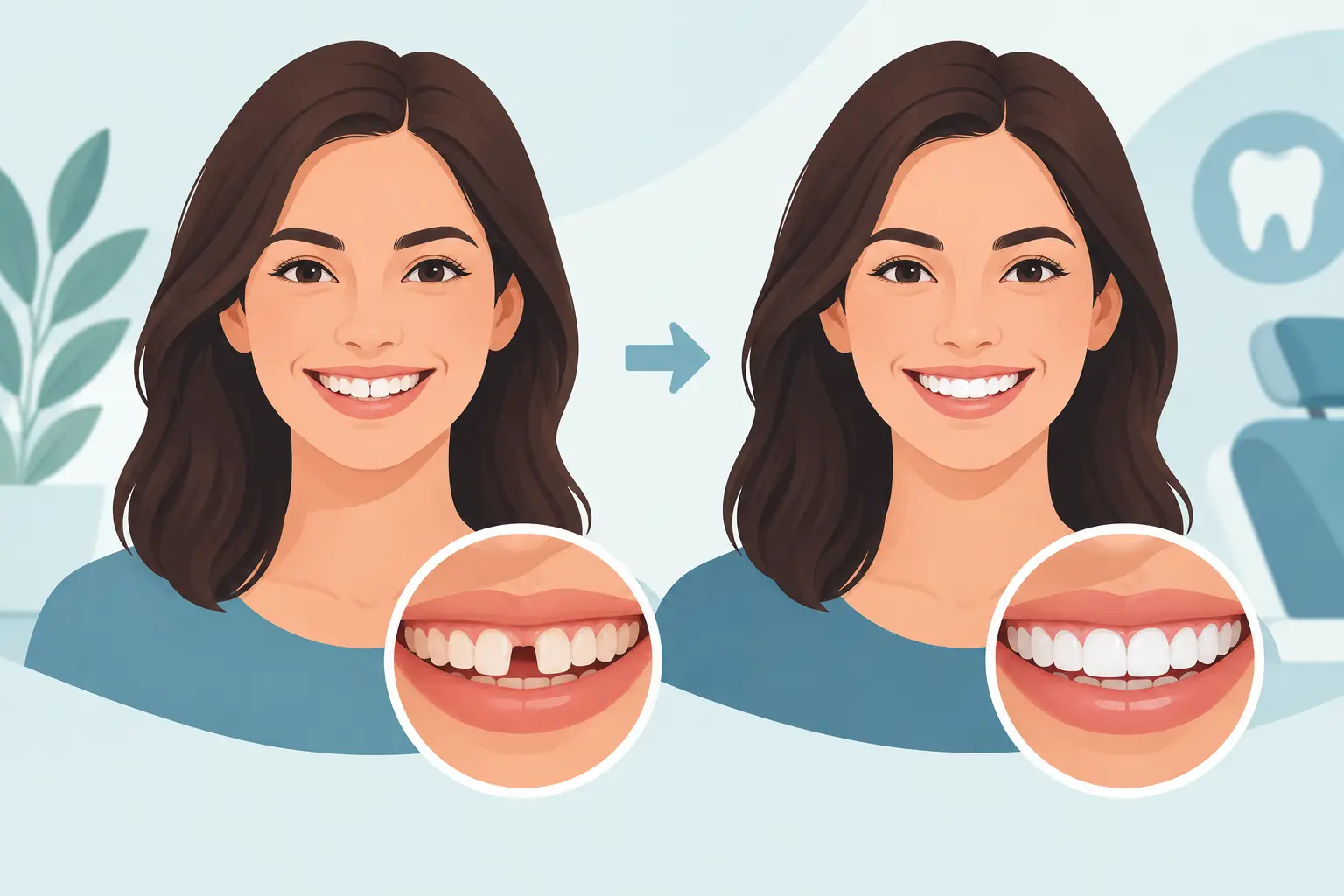
A bite can change so gradually that many people do not realize how much they have adapted. They chew on one side, avoid certain foods, live with jaw fatigue, or feel self-conscious about teeth that look shorter than they used to. These bite restoration examples show how treatment can address the underlying cause, not just cover up what is visible.
At Classic Dental Arts, the first conversation is not about selling a particular procedure. It is about listening to what has changed, understanding what feels uncomfortable, and looking carefully at how the teeth, gums, jaw joints, and bite work together. There is no judgment if care has been postponed. A thoughtful plan starts from where you are now.
What Does Bite Restoration Mean?
Bite restoration is the process of rebuilding or adjusting the way upper and lower teeth meet. The goal may be to improve chewing, reduce uneven pressure, restore worn or missing teeth, support a more comfortable jaw position, or improve the appearance of a smile that has changed over time.
For some patients, the answer is modest: one crown, a filling replacement, or a nightguard to protect healthy teeth. For others, years of wear, missing teeth, shifting, gum disease, or failing dental work call for a more comprehensive approach. The right treatment depends on the condition of the remaining teeth, bone and gum health, bite forces, health history, goals, and budget.
A restored bite should not feel forced or overly perfect. It should feel stable, comfortable, and natural enough that you can eat, speak, and smile without constantly thinking about your teeth.
Bite Restoration Examples in Everyday Life
Worn, Short Teeth From Grinding
A patient may come in saying their teeth look small, flat, or uneven in photos. They may also have chipped edges, frequent headaches, or soreness in the jaw muscles when they wake up. In many cases, long-term grinding or clenching has worn down the chewing surfaces and changed how the teeth fit together.
Treatment might include carefully planned bonding, crowns, or veneers on selected teeth to rebuild lost height and shape. If the wear is extensive, a full-mouth rehabilitation may be considered, usually completed in carefully planned stages. A custom nightguard is often part of the long-term plan because rebuilding teeth without addressing grinding can put new restorations at risk.
The trade-off is that more durable materials and a full evaluation take time and investment. However, simply smoothing chipped teeth again and again may not solve the ongoing pressure that caused the damage in the first place.
A Missing Back Tooth That Changed the Bite
When a molar is lost, it can be tempting to leave the space alone, especially if it is not visible when smiling. Yet the teeth beside and opposite that space can shift or over-erupt over time. Chewing often moves to the other side of the mouth, which can create uneven wear and make certain foods harder to manage.
One common solution is a dental implant topped with a custom crown. The implant replaces the missing tooth root, while the crown restores the visible chewing surface. A bridge may be another appropriate option when the neighboring teeth already need crowns or when an implant is not the best fit for a patient's health, anatomy, timeline, or preferences.
Neither option is automatically right for everyone. Implants require adequate bone and a healing period, while a bridge relies on the adjacent teeth for support. A clear consultation should explain both the clinical differences and the expected costs before a decision is made.
Old Crowns and Fillings That No Longer Fit Together
Dental work can last for many years, but it does not last forever. Older crowns may chip, become loose, develop decay around their edges, or no longer match changes in the bite. Large old fillings can also weaken teeth and create cracks that make chewing unpredictable.
In this type of restoration, treatment may involve replacing one or several compromised restorations with crowns or onlays designed to fit the current bite. When several teeth have been patched over time, planning them together can be more protective than treating each problem separately as it breaks down.
The benefit is a more coordinated result. The caution is that treatment should not be rushed. Before placing final restorations, the dentist needs to understand whether tooth movement, clenching, gum concerns, or a missing tooth is contributing to the failure pattern.
Dentures That Slip or Make Eating Difficult
A loose denture can affect far more than meals. People may avoid restaurants, speak carefully, smile with a hand over their mouth, or choose soft foods because they do not trust their teeth to stay in place. Over time, bone loss in the jaw can reduce the support available for a traditional denture.
Some patients benefit from a new, more precise denture. Others may consider implant-supported dentures, which attach to implants for added stability while remaining removable for cleaning. For patients with extensive tooth loss or failing teeth, a fixed full-arch implant option, often called All-on-X, may provide a more secure alternative.
These treatments differ in cost, maintenance, healing time, and the number of implants required. The most reassuring path is one that respects both your health needs and your real-life priorities. No one should feel pressured to choose a solution they do not fully understand.
Crowded, Shifted, or Uneven Teeth After Tooth Loss
Bite issues are not always painful. Sometimes a front tooth drifts, a lower tooth tilts after a missing tooth is left untreated, or the center of the smile begins to look off. The patient may initially ask for cosmetic dentistry, but a closer examination can reveal a functional issue underneath.
Depending on the situation, treatment may include orthodontic movement before crowns or veneers, an implant to replace the missing tooth, or selective reshaping and restorative work. Moving teeth first can create healthier spacing and allow restorations to be more conservative. In other cases, limited restorative treatment is the more practical choice.
A good plan is not about doing the most treatment. It is about choosing the sequence that gives the teeth the best chance to function well for years.
Why Planning Matters Before Restoring a Bite
The visible tooth is only part of the story. Before restoring a bite, your dentist may evaluate how your teeth contact, whether your gums are healthy, signs of clenching, the condition of older restorations, jaw movement, and the support available for implants or dentures. X-rays, digital scans, photographs, and models may help make that picture clearer.
For larger cases, temporary restorations can be especially useful. They give the patient and dentist a chance to test the proposed tooth shape, bite position, speech, and appearance before final crowns or bridges are completed. That extra step can feel slower, but it helps reduce surprises and allows adjustments while changes are still easy to make.
A comprehensive plan may also be phased. For example, urgent decay or infection might be treated first, followed by gum care, implants, and final cosmetic restorations later. Phasing treatment can be kinder to a patient's schedule and finances while still keeping the long-term goal in view.
Signs It May Be Time to Ask About Your Bite
You do not need to wait for a major dental emergency. It is worth scheduling a conversation if chewing feels uneven, teeth are chipping repeatedly, your jaw feels tired, dentures move when you speak, or you have started avoiding foods you once enjoyed. Changes in the way your teeth meet, even without pain, are also worth checking.
Feeling embarrassed about your teeth or worried about cost should not keep you from getting answers. A no-pressure consultation can clarify what is urgent, what can wait, and what options may fit your goals. The first step is simply understanding what your mouth is asking for - then moving forward at a pace that feels manageable.