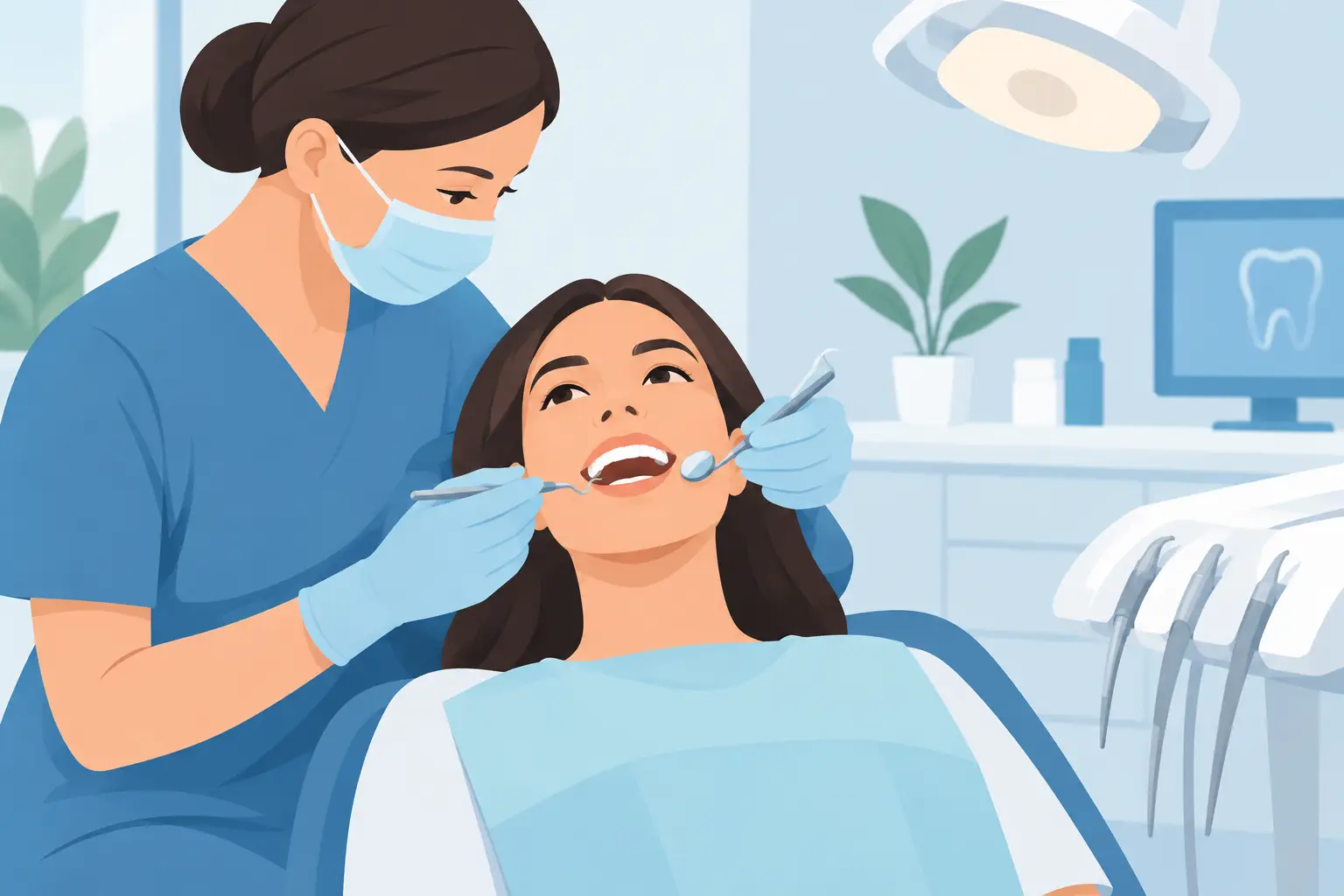
A dental cleaning is one of the simplest ways to protect your smile, but it can feel like a big step when it has been a while. Maybe life got busy, a past appointment made you nervous, or you are worried about being told you need extensive work. Those feelings are common. The purpose of a cleaning visit is not to judge you. It is to understand where your oral health stands today and help you move forward comfortably.
At Classic Dental Arts, we believe routine care should feel clear, calm, and personal. Whether you come in every six months or are returning after years away, we start by listening and explaining what we see in plain English.
What Happens During a Dental Cleaning?
A routine cleaning, also called a prophylaxis, removes the plaque, tartar, and surface stains that brushing and flossing alone cannot always reach. Plaque is a soft, sticky film of bacteria. When it is not fully removed, it can harden into tartar, also called calculus. Tartar cannot be brushed away at home.
Your visit often begins with an exam of your teeth and gums. Depending on your needs and the timing of your last X-rays, your dental team may recommend images to check areas that cannot be seen directly, including between teeth and below existing restorations. This is not about adding procedures. It is about getting a complete picture before making recommendations.
The hygienist then gently removes tartar from the teeth and along the gumline using hand instruments and, when appropriate, an ultrasonic scaler. You may hear a humming sound and feel water being used to keep the area clean. Your teeth are then polished to remove softer buildup and many everyday stains from coffee, tea, or other foods.
A dentist also reviews your oral health, looking for concerns such as cavities, worn fillings, cracks, gum inflammation, bite changes, and signs that a restoration needs attention. If something needs treatment, you should leave with an understandable explanation of what is urgent, what can be monitored, and what your options may be.
Is a Dental Cleaning Supposed to Hurt?
For many people, a cleaning is comfortable. Still, sensitive teeth, inflamed gums, exposed roots, or heavy tartar buildup can make certain areas tender. If you have dental anxiety, tell the team before treatment begins. You deserve care that moves at your pace.
Small adjustments can make a meaningful difference. Taking breaks, using a gentler technique, applying topical numbing gel in sensitive areas, or simply explaining each step before it happens can help you stay in control. There is no prize for pushing through discomfort in silence.
Bleeding gums can also be alarming, especially if you have not had a cleaning in some time. Bleeding is often a sign of gum inflammation caused by bacterial buildup, not a sign that you have done something wrong. With consistent home care and professional cleanings, mild inflammation often improves. Persistent bleeding deserves a closer look because it may indicate gum disease.
Routine Cleaning vs. Deep Cleaning
The phrase “deep cleaning” is often used casually, but it means something different from a standard preventive cleaning. A routine cleaning focuses on buildup at or just above the gumline in a mouth with generally healthy gum measurements.
A deep cleaning, clinically called scaling and root planing, may be recommended when gum disease has created deeper spaces between the teeth and gums. In those spaces, bacteria and tartar can collect below the gumline. Treatment is designed to clean those root surfaces carefully and help reduce inflammation.
Not every patient needs a deep cleaning, and it should not be presented as a surprise add-on without an explanation. Your provider should discuss the measurements, X-rays, bleeding, bone levels, and other findings behind the recommendation. They should also explain the expected cost, whether numbing is needed, how treatment may be scheduled, and what follow-up care looks like.
For patients with a history of periodontal disease, implants, or more complex restorative work, cleanings may be recommended more often than twice a year. That is not a one-size-fits-all rule. The right schedule depends on your gum health, medical history, home care, risk factors, and the condition of your teeth and restorations.
Why Cleanings Matter Beyond a Brighter Smile
The most obvious benefit of a cleaning is a fresher, smoother feeling smile. The deeper value is prevention. Regular visits help identify small concerns while they are usually simpler to treat. A tiny cavity, a loose filling, early gum inflammation, or wear from clenching may not cause noticeable symptoms at first.
Cleanings also help protect dental investments. Crowns, bridges, dentures, veneers, and implants still need consistent care. Dental implants cannot decay, but the tissues around them can become inflamed or infected. A professional cleaning and exam help your team monitor those areas and protect the long-term result.
A cleaning is not a whitening treatment, although polishing can remove some surface stains. If the color of your teeth is a concern, ask about options after your exam. The safest choice depends on your enamel, existing crowns or fillings, sensitivity, and overall goals.
How to Prepare If You Feel Anxious or Embarrassed
You do not need to “get your teeth perfect” before an appointment. Brushing and flossing as you normally would is enough. Dental professionals see every level of oral health, every day. Delaying care because you feel embarrassed usually allows a manageable problem to become more complicated.
When you call or arrive, be honest about what has kept you away. Perhaps you had a painful experience, dislike the sound of instruments, have a strong gag reflex, or are concerned about costs. Those details are useful. They allow the team to adjust the visit, communicate more clearly, and avoid assumptions.
If finances are part of the hesitation, ask for a transparent discussion before beginning non-urgent treatment. A trustworthy office will separate immediate needs from care that can be planned over time when clinically appropriate. You should understand your choices and feel comfortable asking questions.
Caring for Your Teeth Between Visits
A professional cleaning works best alongside daily habits at home. Brush twice a day with fluoride toothpaste, using a soft-bristled toothbrush and gentle pressure at the gumline. Clean between your teeth once a day with floss, interdental brushes, or another tool recommended for your mouth.
If you have braces, bridges, implants, dentures, or limited hand mobility, your home-care routine may need a few adjustments. The best tool is the one you can use consistently and effectively. Your hygienist can show you techniques that fit your specific situation rather than handing you generic advice.
Dry mouth, smoking or vaping, frequent sugary drinks, certain medications, diabetes, and acid reflux can all affect oral health. Mention changes in your health or medications during your visit. Dentistry is most helpful when it considers the whole person, not just the teeth.
When to Schedule Your Next Visit
Many patients benefit from a cleaning and exam every six months. Others need a different schedule because of gum disease risk, active dental concerns, pregnancy-related gum changes, medical conditions, or ongoing restorative care. The right interval is personal, and it can change over time.
Do not wait for pain to make an appointment. Tooth decay and gum disease can progress quietly, and early care is usually less invasive, less stressful, and more affordable than emergency treatment. If you are overdue, the first step does not need to be perfect. It only needs to be a call, a conversation, and a chance to be heard.
Your next dental cleaning can be a reset, not a reckoning. Come as you are, ask every question you need to ask, and let your care begin at a pace that feels manageable.