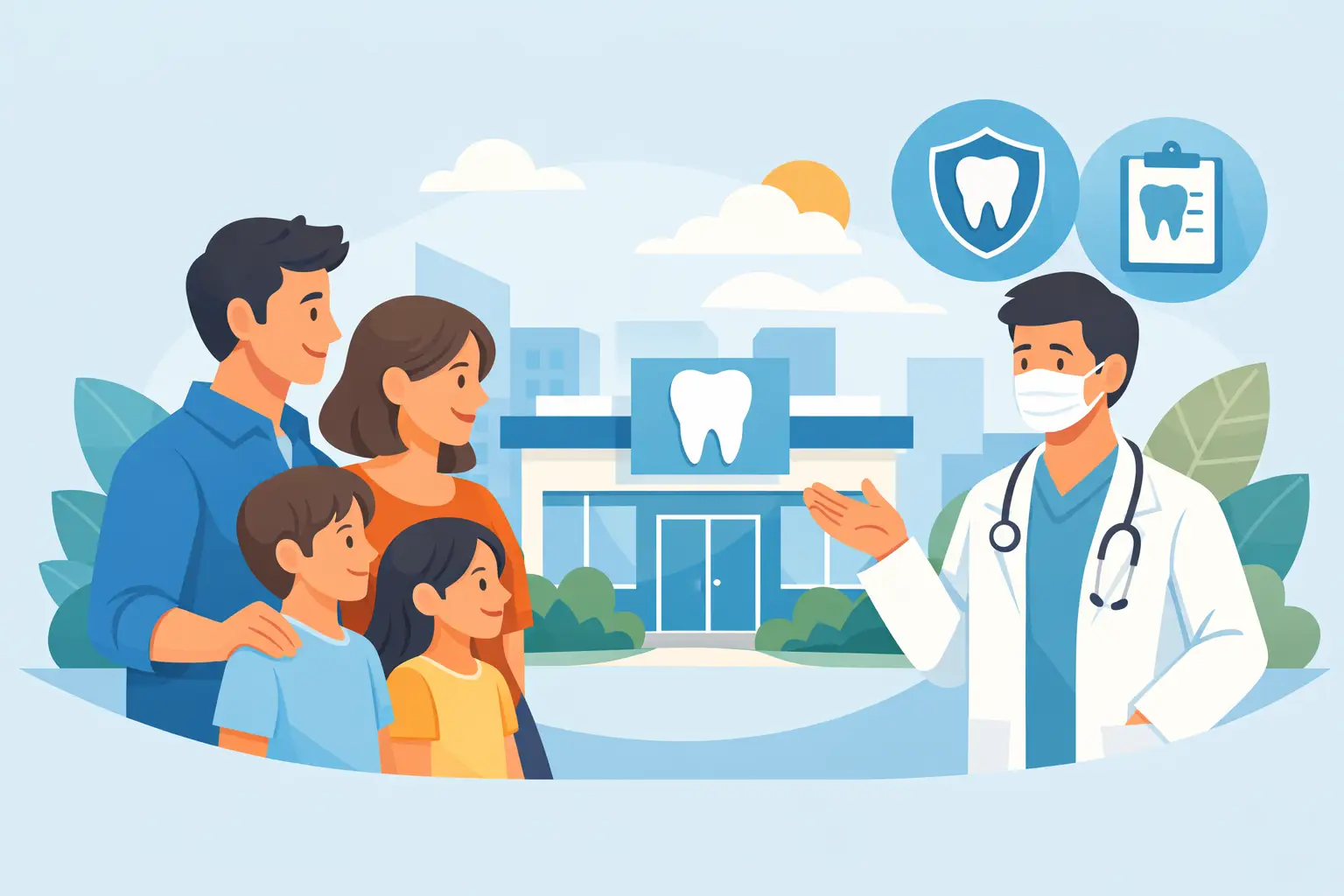
A good dental relationship usually reveals its value slowly. It shows up when your child needs a first filling, when a busy parent puts off a cleaning too long, or when a grandparent suddenly needs more than routine care. That is why choosing a family dentist for long term care matters so much. You are not only picking a place for cleanings. You are choosing a team that can get to know your health, your comfort level, your goals, and the changes that happen over the years.
For many families, the hardest part is not finding a dentist at all. It is finding one that feels consistent, honest, and capable enough to care for both everyday needs and bigger problems if they come up later. A practice may look convenient on the surface, but long-term care asks deeper questions. Will they listen carefully? Will they explain treatment in plain English? Will they help you plan rather than pressure you?
What a family dentist for long term care really means
Long-term dental care is about continuity. Instead of treating each appointment like a separate event, a good family dental practice builds a clear picture of your oral health over time. They notice patterns. They compare changes. They help you prevent small issues from turning into painful, expensive ones.
That kind of care can make a real difference. A dentist who has seen you regularly may catch early gum changes before teeth become loose. They may spot wear from grinding before it leads to cracks or headaches. They may also understand your history well enough to recommend the right timing for restorative work, instead of waiting until the situation becomes urgent.
For families, continuity also reduces stress. Children are often calmer when they recognize the office and the people caring for them. Adults who have dental anxiety tend to do better when they do not have to retell their fears at every visit. Older patients benefit from having a provider who understands the full story behind crowns, dentures, implants, medications, and shifting health needs.
Why long-term care is different from one-time treatment
A one-time dental visit can fix an immediate problem. It cannot replace a long-standing relationship. If you only go when something hurts, treatment often becomes reactive and more costly. Emergency care has its place, but it is rarely the most comfortable or affordable path.
Long-term care is more thoughtful. It includes preventive visits, regular imaging when appropriate, ongoing discussions about home care, and realistic planning for future treatment. It also makes room for life. Sometimes the right next step is a filling. Sometimes it is monitoring a tooth. Sometimes it is building a phased plan because you need to spread treatment out financially or emotionally. A practice that respects long-term care understands those trade-offs.
This matters even more for adults who have postponed treatment for years. Many people carry embarrassment about their teeth, especially if they need multiple procedures. The right office does not make you feel behind. It meets you where you are and helps you move forward one step at a time.
How to choose a family dentist for long term care
The best choice is rarely the office with the flashiest marketing. It is usually the practice that combines skill with consistency and patience.
Start by looking at the range of care. A family dentist should be able to handle preventive and general dentistry well, but long-term care often involves more. Over time, many patients need crowns, dentures, implant planning, treatment for broken teeth, cosmetic improvements, or more comprehensive rehabilitation after years of wear and neglect. If a practice can support both routine care and more advanced restorative needs, your care tends to stay more coordinated.
Communication matters just as much as clinical ability. You want a dentist who explains what they see, why it matters, and what your options are. Not every issue requires the most aggressive treatment. In some cases, watching and maintaining a tooth is reasonable. In others, delaying treatment can lead to more damage. A trustworthy provider will tell you the difference without using fear as a sales tactic.
It is also worth paying attention to pace. Rushed appointments often lead to rushed decisions. A practice built for long-term relationships takes time to answer questions, discuss costs clearly, and help you understand priorities. That does not mean every visit is lengthy. It means you do not feel like you are being moved through a system.
Signs a dental practice is built for lasting care
You can often tell within the first few interactions whether a practice is thinking short term or long term. Offices that support lasting care tend to be organized, calm, and clear. They usually make it easy to understand what happens next, what treatment is urgent, and what can be planned over time.
They also tend to be non-judgmental. This is a bigger deal than many people realize. Patients who feel ashamed about their teeth often delay care even longer after one bad experience. A family practice that wants to care for people over decades has to create emotional safety as well as clinical trust.
Another strong sign is transparency. If costs, insurance questions, financing, and treatment priorities are discussed openly, patients are more likely to follow through. Long-term dental care only works when plans are realistic. You should feel informed, not cornered.
In a community-rooted office, trust often shows up in other ways too. Families return year after year. Parents bring children. Adult children bring aging parents. Reviews and personal recommendations matter because they reflect how people feel after repeated experiences, not just one polished first impression.
The value of a dentist who can grow with your needs
Dental needs do not stay the same across life stages. A teenager may need preventive support and monitoring. A parent may need repair for old fillings and a night guard for grinding. An older adult may be deciding between saving compromised teeth, replacing missing teeth, or considering dentures or implants.
That is why long-term care works best when a dentist can grow with the patient. You should not have to start over every time your needs become more complex. It helps when your provider can connect preventive care with restorative planning, so treatment is not fragmented.
For example, someone who has avoided the dentist for years may come in thinking they only need a cleaning. After a thorough exam, they may learn there are several issues at different stages. The right response is not panic. It is a plan. Often that means addressing pain or infection first, stabilizing the mouth, then working through restorative or cosmetic goals in manageable phases.
Practices like Classic Dental Arts have built trust in part by recognizing that dentistry is rarely just about teeth. It is also about confidence, function, budget, and comfort. Patients want to know they will be heard and that the care plan will make sense for real life.
Questions worth asking before you commit
Before choosing a dental home, ask how the practice handles anxious patients, larger treatment plans, and preventive follow-up. Ask whether they explain options clearly and whether they offer a no-pressure consultation for more involved care. Ask how they help patients prioritize treatment when everything cannot be done at once.
You can also ask practical questions that say a lot about the office culture. Do they reserve enough time to answer questions? Do they discuss costs before treatment starts? Do they focus on prevention, or mostly on procedures? Do you feel spoken to with patience and respect?
There is no single perfect formula. Some families want one office for everyone. Others prioritize advanced restorative expertise because they know future needs may be more complex. It depends on your stage of life, your dental history, and how much value you place on continuity.
What matters most is finding a place where you can picture staying. A family dentist for long term care should make it easier to keep up with your health, not harder. You should leave feeling informed, calmer, and more confident about what comes next.
The best time to build that relationship is before you are in pain, before treatment becomes urgent, and before small concerns turn into major decisions. When you find a practice that listens first, explains clearly, and moves at your pace, you are not just booking an appointment. You are giving yourself and your family a steadier path forward.