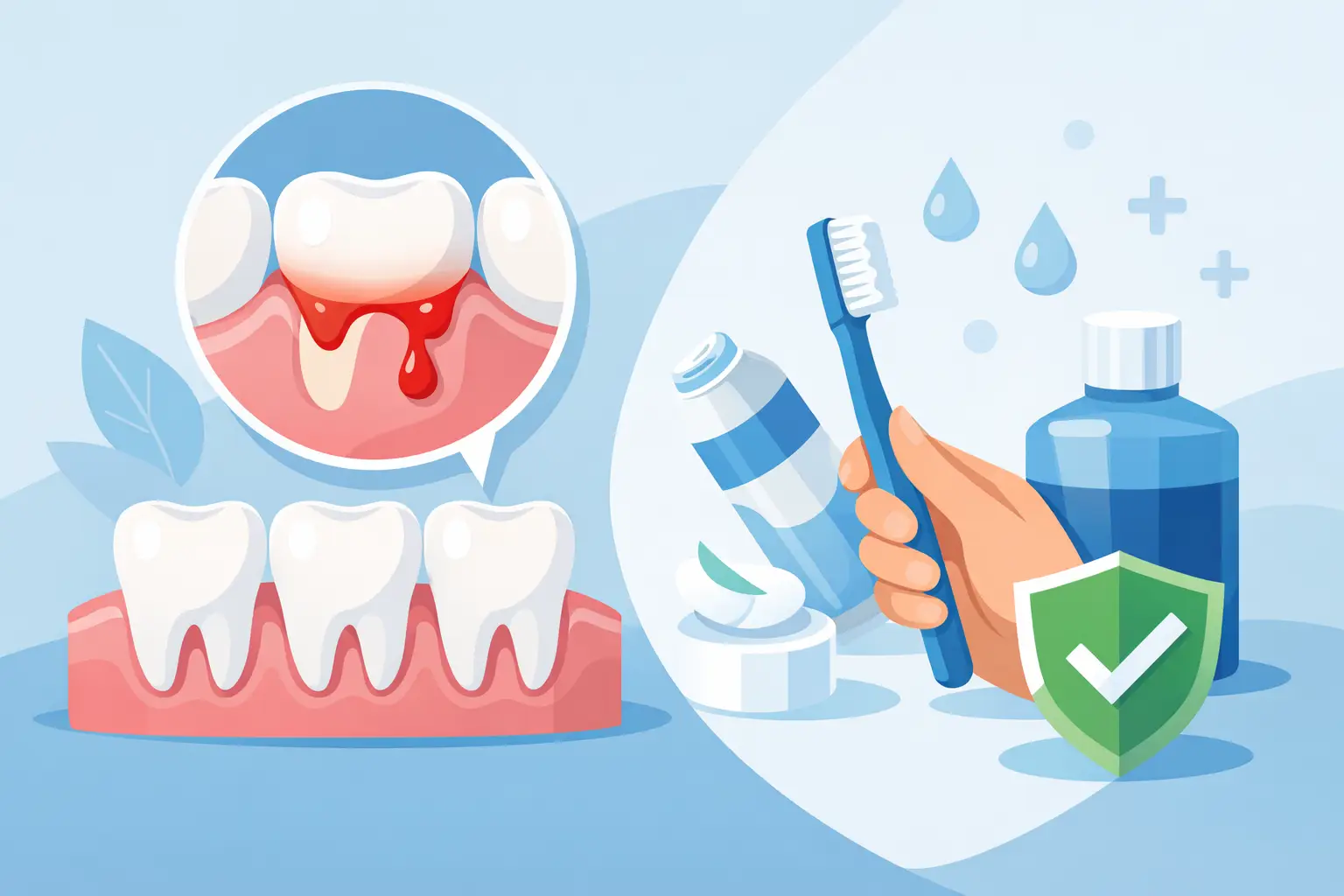
A little pink in the sink can be unsettling, especially if it happens every time you brush or floss. If you are searching for how to stop gum bleeding, the safest first step is usually not to brush less or stop flossing. Bleeding gums often mean the tissue is irritated, commonly from plaque buildup along the gumline. Gentle, consistent care can help, but bleeding that persists deserves a dentist's attention.
There is no judgment in this. Many people put off dental visits because they are nervous, busy, embarrassed, or hoping the problem will settle down on its own. Gum bleeding is common, and getting clear answers early can protect your comfort, your smile, and your long-term oral health.
Why gums bleed in the first place
The most common cause is gingivitis, an early form of gum inflammation. Plaque is a sticky film of bacteria that collects where teeth meet the gums. When it is not removed thoroughly, the gums can become red, swollen, tender, and more likely to bleed during brushing or flossing.
This can feel confusing because flossing may seem to cause the bleeding. In many cases, flossing is simply reaching inflamed areas that already need attention. Skipping it can allow more plaque to remain at the gumline, which can make the inflammation worse.
Other factors can contribute as well. A new toothbrush that is too firm, brushing with too much pressure, poorly fitting dental work, dry mouth, smoking, hormonal changes, and certain medications can all affect gum health. Blood-thinning medications may make bleeding more noticeable, but they should never be stopped or adjusted without speaking with the prescribing medical professional.
Sometimes bleeding gums are connected to more advanced gum disease, called periodontitis. This condition can damage the bone and tissues that support the teeth. It requires professional treatment, which is one reason recurring bleeding should not be ignored.
How to stop gum bleeding at home safely
If your gums have started bleeding recently and you do not have severe pain, swelling, or a dental injury, a careful home routine may reduce irritation over the next week or two.
Keep brushing, but make it gentler
Use a soft-bristled toothbrush and a fluoride toothpaste. Angle the brush gently toward the gumline and use small circular motions rather than aggressive back-and-forth scrubbing. Two minutes, twice a day is enough. Brushing harder does not clean better, and it can irritate delicate gum tissue.
An electric toothbrush can be helpful for some patients because it provides consistent movement and often has a pressure sensor. A manual soft brush can work very well too. The best choice is the one you will use correctly and consistently.
Clean between your teeth every day
Floss once daily, moving the floss gently around each tooth in a C shape. Do not snap it down into the gums. If traditional floss is difficult because of dexterity, bridges, braces, or tightly spaced teeth, an interdental brush or water flosser may be a more comfortable option.
Expect a small amount of bleeding at first if plaque-related inflammation is present. With gentle daily cleaning, many people notice improvement within several days to two weeks. If the bleeding continues, increases, or feels significant, do not keep waiting it out.
Rinse without irritating your mouth
A warm saltwater rinse can soothe sore gums temporarily. Mix about half a teaspoon of salt into a cup of warm water, swish gently, and spit it out. This can be useful after brushing, but it is not a substitute for removing plaque with a toothbrush and floss or for receiving needed dental care.
Avoid relying on harsh rinses, alcohol-heavy mouthwashes, or home remedies that sting or burn. They may leave your mouth feeling cleaner for a moment while doing little to address the underlying cause. A dentist may recommend a specific therapeutic rinse when it is appropriate for your situation.
Look at the habits that affect healing
Tobacco use can mask some signs of gum inflammation while making gum disease harder to control. Reducing or quitting is one of the most meaningful steps you can take for your gums and overall health. Staying hydrated, managing dry mouth, and eating a balanced diet also support healthy tissue.
If you have diabetes, keeping blood sugar within the range recommended by your medical team matters for your gums as well. Gum inflammation and blood sugar control can influence each other, so regular preventive dental care is especially valuable.
When bleeding gums need a dental visit
Home care has limits. A dental exam and cleaning may be needed to remove hardened plaque, called tartar or calculus, that cannot be brushed or flossed away at home. Once tartar is present below the gumline, the inflammation often will not fully resolve without professional care.
Schedule a visit soon if your gums bleed regularly for more than one to two weeks despite gentle daily cleaning. You should also be seen if you notice persistent bad breath, gum recession, loose teeth, changes in your bite, pus near the gums, or tenderness and swelling that keep returning.
Contact a dentist promptly for bleeding that is heavy, does not stop after gentle pressure, occurs after an injury, or comes with facial swelling, fever, or severe tooth pain. These symptoms may signal an infection or another issue that should not wait.
A dental team can check for pockets around the teeth, tartar buildup, cavities, cracked teeth, failing restorations, and signs of gum disease. If treatment is needed, you should be told what is being found, why it matters, and what the options are. Good dentistry is not about making you feel rushed or ashamed. It is about helping you understand what is happening and choosing a sensible path forward.
What treatment may look like
For early gingivitis, a professional cleaning and improved home care may be all that is needed. If gum disease has progressed deeper below the gumline, your dentist may recommend scaling and root planing, often called a deep cleaning. This treatment removes bacterial buildup from tooth roots and gives inflamed gums a better chance to heal.
The right treatment depends on the cause. Bleeding around one tooth may point to a local problem such as trapped food, a cracked restoration, or an abscess. Bleeding throughout the mouth may be related to generalized gum inflammation, medication effects, or a medical condition. That is why a personalized exam is more useful than a one-size-fits-all recommendation.
At Classic Dental Arts, patients are encouraged to ask questions and move at a pace that feels manageable. Whether it has been six months or several years since your last visit, the focus should be on where you are now and what will help you keep your teeth and gums healthy.
Frequently asked questions about bleeding gums
Should I stop flossing if my gums bleed?
Usually, no. Continue flossing gently once a day. Bleeding from plaque-related inflammation often improves when the area is cleaned consistently. If flossing causes significant pain, heavy bleeding, or bleeding that does not improve after one to two weeks, schedule an exam.
Can brushing too hard cause bleeding gums?
Yes. Firm bristles and forceful brushing can irritate gums and contribute to recession over time. Switch to a soft brush and lighter pressure, but remember that brushing too hard may not be the only cause. Ongoing bleeding still warrants a dental evaluation.
Can stress cause bleeding gums?
Stress does not directly cause gum bleeding in every case, but it can affect immune response, sleep, routines, smoking habits, and teeth grinding. Those changes can make gum problems more likely or harder to manage.
Are bleeding gums ever an emergency?
Most mild bleeding during brushing is not an emergency. Heavy or uncontrolled bleeding, swelling with fever, severe pain, trauma, or trouble swallowing or breathing requires prompt care. If breathing or swallowing is affected, seek emergency medical help.
Your gums are giving you useful information, not a reason to feel embarrassed. A soft brush, gentle daily flossing, and a timely dental visit when bleeding persists can turn a worrying moment at the sink into a manageable next step.