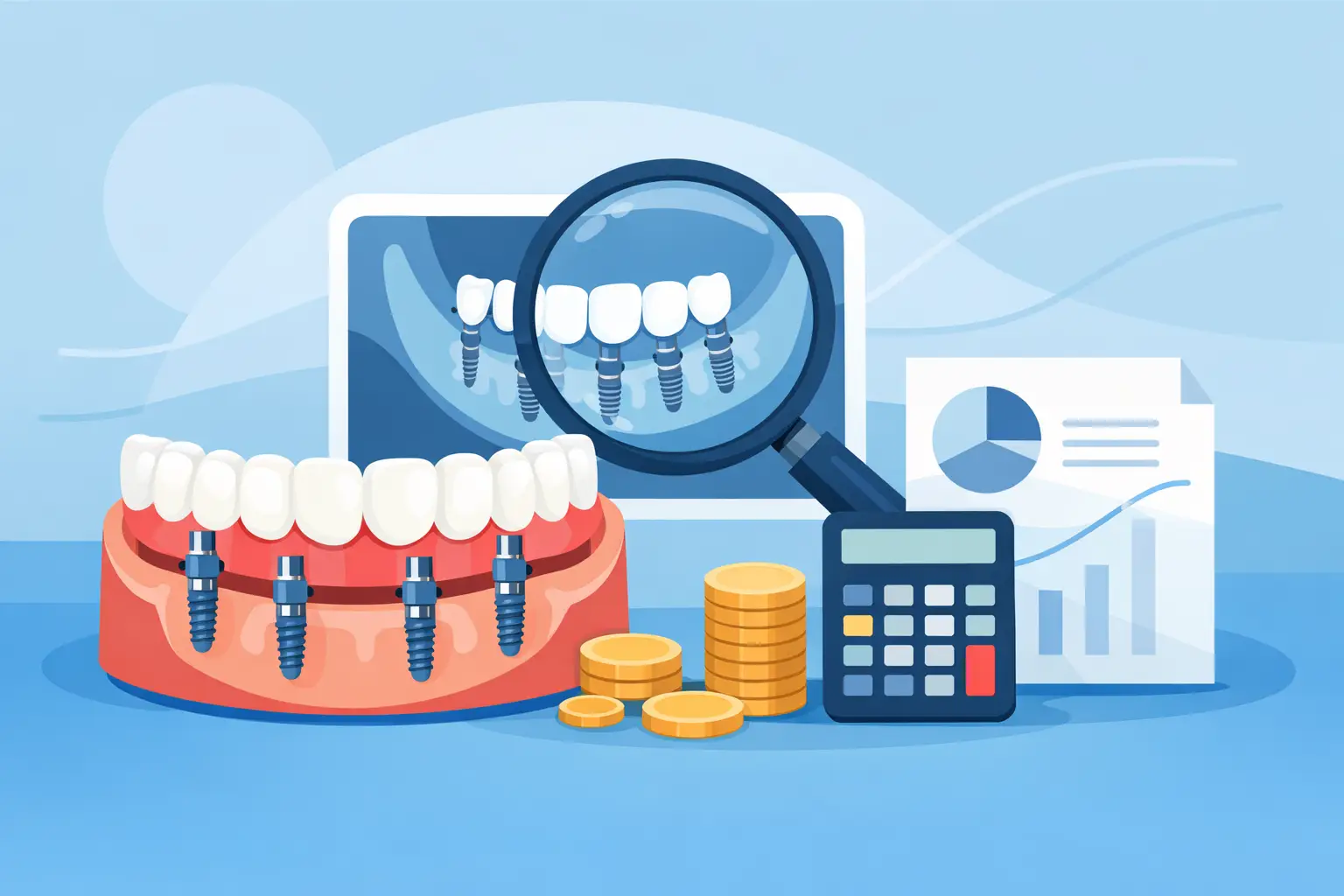
If you have been told you may need a full-arch restoration, your first question is probably not about titanium or surgical guides. It is much simpler than that: what is the all on x implants cost, and why does it vary so much from one office to another?
That is a fair question. For most people, this treatment is not a casual decision. It is tied to eating comfortably, speaking clearly, feeling confident in public, and finally moving on from years of dental problems. The cost matters, but so does understanding what you are actually paying for.
What does all on x implants cost include?
All-on-X is a full-arch implant solution that uses a specific number of implants to support a fixed set of teeth. The "X" simply refers to the number of implants used, which may be four, five, six, or more depending on your bone support, bite, and treatment goals.
When people compare prices, they often assume every quote covers the same thing. It usually does not. One office may present a number that includes the consultation, extractions, sedation, temporary teeth, imaging, surgery, and final restoration. Another may advertise a lower starting point, then add those services separately.
That is why cost conversations need context. A meaningful estimate should explain whether it includes the CBCT scan, any needed tooth removal, bone reduction if required, the implant surgery itself, a temporary fixed bridge, the final prosthetic, follow-up visits, and adjustments. If those details are missing, the quote may look clearer than it really is.
Typical all on x implants cost ranges
In the United States, full-arch implant treatment commonly ranges from about $20,000 to $50,000 per arch, and sometimes more depending on complexity and materials. For a full upper and lower restoration, patients may see total treatment costs that range much higher.
That is a wide span, and there is a reason for it. Some cases are straightforward. Others involve severe bone loss, failing dental work, infection, bite collapse, or the need to rebuild function after years of wear. Two patients may both need "All-on-X," yet the amount of planning, surgery, and lab work can be very different.
If a number sounds dramatically lower than most others, it is worth asking what has been left out. Lower pricing is not automatically a red flag, but vague pricing often is.
Why the price can change so much
The biggest factor is the condition of your mouth before treatment starts. If teeth need to be removed, infection has to be managed, or the bone and gum shape need to be corrected for a stable fit, the case becomes more involved. Patients who have worn dentures for years or postponed care because of anxiety often need more than just implant placement.
The number of implants also matters. Some patients are excellent candidates for four implants on one arch. Others need five or six for better support and long-term stability. More implants generally mean higher surgical and material costs, but they may also provide a better outcome in the right case.
The final teeth matter too. A temporary prosthesis is not the same as a final bridge made from stronger, more refined materials. Acrylic hybrids, zirconia restorations, and other options come with different price points, appearance, durability, and repair considerations. There is no single best choice for everyone. It depends on your bite forces, cosmetic goals, and budget.
What you are really paying for
It helps to think of All-on-X as more than a set of replacement teeth. You are paying for diagnosis, planning, surgery, design, fit, esthetics, and long-term function. A full-arch case should not feel rushed.
Good treatment begins with careful records and a clear conversation. Your dentist should evaluate bone levels, gum health, facial support, smile line, bite relationship, and overall health history. That planning affects where implants are placed, how the final teeth look, and whether the restoration feels natural when you speak and chew.
Experience matters here. Full-mouth implant cases involve both surgery and restoration, and success depends on how well those two parts work together. A lower upfront fee can become expensive if the teeth break repeatedly, the bite feels off, or the case has to be redone.
Materials make a difference, but they are not the whole story
Patients often hear that zirconia costs more than acrylic, and that is generally true. Zirconia can offer excellent strength, stain resistance, and a more refined finish. Acrylic options may cost less and can still be appropriate in many situations, especially when used as part of a phased treatment plan.
Still, materials alone do not determine value. The fit of the prosthesis, the quality of the lab work, the precision of the treatment plan, and the doctor's approach to bite design can matter just as much. A premium material does not fix poor planning.
This is one reason a no-pressure consultation is so helpful. You should be able to ask what material is being recommended, why it fits your case, how long it is expected to last, and what maintenance it may require over time.
Insurance and financing
Dental insurance may help with parts of treatment, but many plans do not cover the full cost of implant-based full-arch reconstruction. Some portions, such as extractions, imaging, or certain restorative steps, may have partial benefits. Implant placement and final prosthetics may have limited coverage or none at all, depending on the plan.
That uncertainty can make people feel stuck before they even start. The good news is that many practices offer financing options or phased treatment planning. For some patients, that makes care more manageable than they expected.
Just as important, cost discussions should be direct. You should not feel pressured, judged, or rushed into a decision. At Classic Dental Arts, these conversations are meant to be transparent and personal, because the right treatment plan has to make sense both clinically and financially.
How to compare estimates without getting overwhelmed
When you receive more than one quote, try not to focus on the final number alone. Ask each office the same practical questions. Does the fee include temporary teeth? What happens if extractions turn out to be more difficult than expected? Are sedation, follow-ups, and adjustments included? What is the final prosthesis made from? Who is planning the case and who is doing the surgery?
Also ask what happens after treatment. Full-arch implant restorations need maintenance. You may need periodic cleanings, screw checks, relines for certain provisional appliances, or repairs over time. A practice that talks honestly about long-term care is usually giving you a more complete picture.
It is also fair to ask to see before-and-after cases or hear how similar patients were guided through the process. For someone who has delayed treatment out of fear or embarrassment, trust is not a small issue. It is part of the treatment.
The emotional side of cost
For many adults, the hesitation is not just financial. It is emotional. Some are embarrassed by broken teeth or a failing denture. Others worry they waited too long. Some are tired of avoiding photos, choosing soft foods, or explaining why they do not smile fully.
That is why the best cost conversation is not just about price. It is about whether the treatment solves the problem that has been affecting daily life. If full-arch implants can help you eat comfortably, stop the cycle of temporary fixes, and feel like yourself again, the value is bigger than a number on a page.
At the same time, not every patient needs the most expensive option. Sometimes a more modest material choice, a phased plan, or a different restorative approach is the smarter fit. Good dentistry is not about selling the biggest case. It is about matching the treatment to the person.
When a lower-cost alternative may make sense
All-on-X is not the only answer for missing or failing teeth. In some cases, a removable denture, implant-supported overdenture, or a more limited restorative plan may be appropriate. That does not mean "settling." It means being honest about anatomy, expectations, maintenance, and budget.
A trustworthy dentist should be comfortable explaining those trade-offs. Fixed teeth can offer tremendous stability and confidence, but they also come with a higher investment and the need for careful hygiene and follow-up. Removable options may lower costs while still improving function significantly. The right answer depends on your goals and your starting point.
A better question than "What is the cheapest price?"
If you are researching all on x implants cost, the better question is not just how much it costs. It is what kind of outcome you are paying for, how clearly the process has been explained, and whether you feel cared for by the team guiding you.
When a consultation is thorough, the pricing is transparent, and the plan is built around your needs instead of a one-size-fits-all pitch, the next step feels much less intimidating. You do not need to have every answer on day one. You just need a place where people will listen, explain your options in plain English, and help you move forward at your own pace.