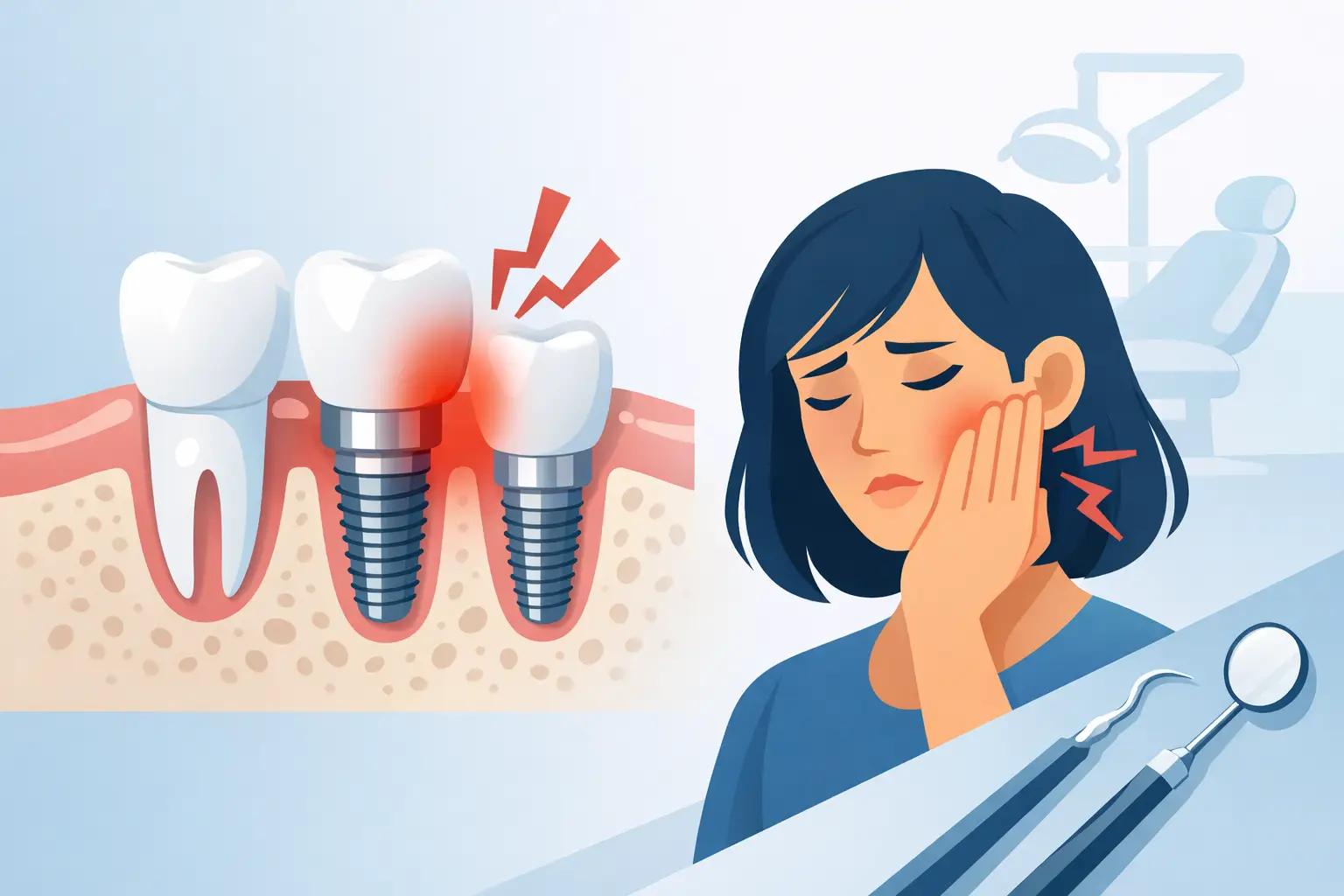
The question patients often ask quietly, sometimes after putting off treatment for years, is: are dental implants painful after surgery? The honest answer is that you can expect some soreness and swelling, but most people find the recovery much more manageable than they feared. During the procedure itself, the area is fully numbed, and sedation may be available when appropriate. Afterward, discomfort is usually similar to having a tooth removed, not the severe pain many people imagine.
Fear of pain is real, especially if a past dental experience left you feeling rushed or unheard. You deserve clear expectations before you decide on treatment. There is no judgment in asking questions, taking time to consider your options, or saying that you are anxious.
Are Dental Implants Painful After Surgery? What It Usually Feels Like
A dental implant is a small titanium post placed in the jawbone to replace a missing tooth root. Your body needs time to heal around it, so some tenderness is normal. Most patients describe the first few days as aching, pressure, or a bruised feeling around the treatment area rather than sharp, constant pain.
The level of discomfort depends on the treatment. Replacing one tooth with a straightforward implant generally involves a shorter, easier recovery than placing several implants, performing a bone graft, or completing a full-arch treatment such as All-on-X. Your overall health, the condition of your gums and bone, and how closely you follow aftercare instructions also matter.
Many people are surprised by this: anxiety before surgery can feel worse than the recovery itself. Once the numbness wears off, the goal is not to “tough it out.” Your dentist will give you a plan to stay comfortable and will explain what to use, when to use it, and what signs deserve a call.
Why the Procedure Itself Should Not Hurt
Before implant placement begins, local anesthetic is used to numb the surgical area. You may notice vibration, gentle pressure, or movement, but you should not feel pain. If you do feel anything sharp or uncomfortable, let the dental team know right away. More anesthetic can be provided.
For patients with significant dental anxiety or those having more involved treatment, sedation options may help them feel deeply relaxed. The right choice depends on your medical history, the scope of treatment, and your comfort level. A careful consultation is the time to discuss this openly, including any worries about needles, gagging, staying still, or feeling out of control.
The First Week of Dental Implant Recovery
The first 24 to 72 hours are usually when swelling and tenderness are most noticeable. Cold compresses on the outside of the face can help reduce swelling during the first day or two. Rest matters as well. Plan to take it easy, avoid strenuous exercise, and keep your head slightly elevated when you sleep if you can.
You may have minor bleeding or oozing immediately after surgery. This typically settles with gentle pressure from gauze, following the instructions you were given. Bruising can happen, particularly with more extensive procedures, and it may take several days to fade.
Soft foods are the practical choice while the area heals. Think yogurt, eggs, oatmeal, soup that is not too hot, mashed vegetables, smoothies eaten with a spoon, and other foods that do not require heavy chewing. Avoid crunchy foods, very hot foods, alcohol, and smoking. Smoking is especially harmful because it can interfere with healing and increase the risk of implant complications.
By days three through five, many patients notice that discomfort has begun to ease. A full week may be needed before you feel mostly back to normal, though the implant and bone continue healing beneath the gumline for months. That deeper healing is essential to the long-term stability of the implant.
Pain Relief Is Usually Straightforward
For many patients, over-the-counter pain medication is enough after implant surgery. In some cases, a dentist may prescribe medication or recommend a specific schedule based on the procedure and your health history. Do not combine medications or exceed recommended doses without guidance.
Antibiotics may be prescribed for certain situations, but they are not a substitute for good aftercare. Take any prescribed medication exactly as directed and complete the course unless your dentist tells you otherwise. If you have a history of stomach ulcers, kidney disease, liver disease, take blood thinners, or have medication allergies, make sure the dental team knows before treatment.
What Is Normal, and What Is Not?
Mild to moderate soreness, swelling, jaw stiffness, and temporary sensitivity around the surgical site are common. These symptoms should gradually improve, not intensify. Healing is not identical for everyone, so a slower recovery does not automatically mean something is wrong. Still, it is always appropriate to call if you are unsure.
Contact your dentist promptly if pain becomes severe or worsens after a few days, swelling keeps increasing, bleeding does not stop with directed pressure, or you develop fever, pus, a bad taste, or a persistent numb sensation. You should also call if the implant feels loose or if you have a reaction to medication.
A quick question can prevent a small concern from becoming a bigger problem. At Classic Dental Arts, patients are encouraged to reach out rather than sit at home worrying about whether a symptom is normal.
What Can Make Implant Recovery More Uncomfortable?
Dental implant pain is not simply about your pain tolerance. Several practical factors can affect recovery. A complex extraction, infection around the old tooth, a bone graft, sinus lift, or multiple implants can create more post-operative soreness. Clenching or grinding your teeth can also put unwanted pressure on a healing area.
Your medical history matters, too. Conditions such as uncontrolled diabetes can slow healing, while tobacco use raises the risk of complications. This is why a thoughtful treatment plan begins with more than an X-ray. Your dentist should review your oral health, medical history, medications, bite, and goals before recommending an implant.
There is also a trade-off worth understanding. An implant procedure may involve a short period of recovery, but it is designed to provide a stable, long-term replacement for a missing tooth. Leaving a gap can allow nearby teeth to shift, affect chewing, and contribute to bone loss over time. The right decision is personal, and it should never be pushed on you.
How to Feel More Prepared Before Surgery
The most reassuring implant experience often starts well before the appointment. Ask how many implants you need, whether grafting is likely, what type of anesthesia or sedation is planned, how long you should take off work, and what your temporary tooth options will be. Ask about costs and financing as well. Clear answers help remove the uncertainty that feeds anxiety.
Arrange a ride home if you are receiving sedation. Stock your kitchen with soft foods, pick up recommended medications in advance, and plan a quieter schedule for the first day or two. If you care for children, pets, or an older family member, arranging help can make rest much easier.
Most of all, choose a dental team that listens. You should know who to call after surgery and feel comfortable telling them if something does not feel right. Dental care works best when you are a partner in the process, not someone being hurried through it.
A Calmer Way to Think About Dental Implant Pain
Dental implants are surgery, so it would not be honest to promise zero discomfort. But soreness is temporary, manageable for most patients, and carefully planned for. With appropriate numbing, clear aftercare, and a team that moves at your pace, implant treatment does not have to be the frightening experience you may have pictured.
If a missing tooth has affected how you eat, smile, or feel around other people, a no-pressure consultation can give you real answers about your options and recovery. You do not have to decide anything that day. Sometimes the most helpful next step is simply replacing uncertainty with a plan that feels right for you.