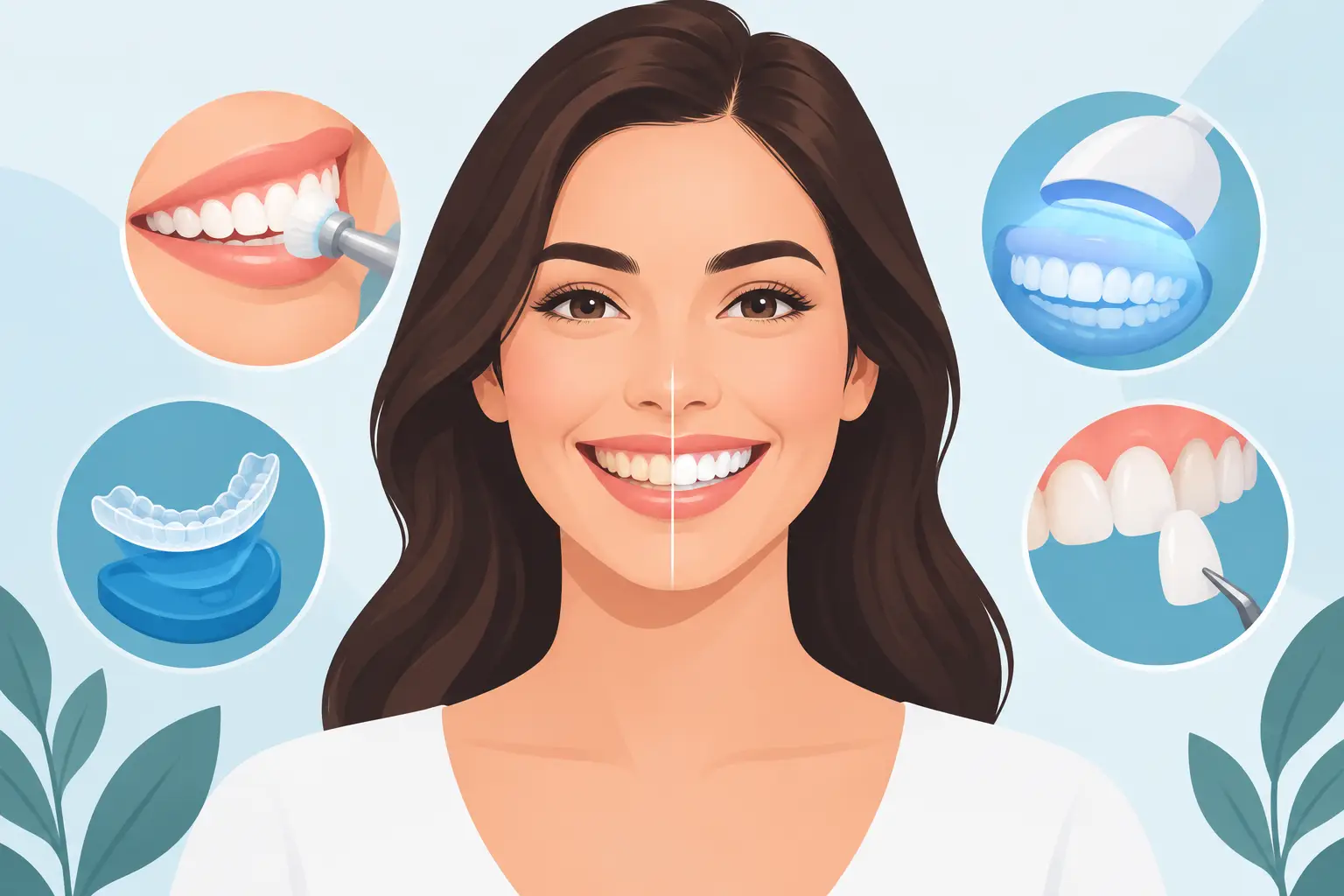
A bright smile can feel like a small thing until you find yourself covering it in photos, speaking with your hand near your mouth, or declining to smile at all. The best cosmetic treatments for stained teeth are not the same for everyone. The right choice depends on why the teeth changed color, the condition of your enamel, any existing dental work, and how natural or dramatic you want the result to look.
At Classic Dental Arts, there is no judgment if coffee, red wine, tobacco, medications, or years without regular dental care have left you feeling self-conscious. A thoughtful cosmetic plan starts with listening to what bothers you and explaining the options in plain English.
First, Find Out What Caused the Staining
Not every stain responds to whitening. Surface stains, often called extrinsic stains, sit on the outside of the enamel. Coffee, tea, berries, dark sodas, and tobacco are common contributors. These stains may improve significantly with a professional cleaning and whitening treatment.
Internal, or intrinsic, discoloration is different. It can develop after an injury, a root canal, certain medications taken during tooth development, aging, or thinning enamel that reveals darker dentin underneath. A single gray or dark tooth deserves particular attention. It may be cosmetic, but it may also need restorative care before any appearance-focused treatment begins.
This is why an examination matters. Whitening a tooth with untreated decay, gum inflammation, or a cracked filling can lead to sensitivity and disappointment. A calm, no-pressure consultation can help separate a simple cosmetic concern from a problem that needs care first.
Best Cosmetic Treatments for Stained Teeth
Professional teeth whitening
For healthy teeth with yellowing or surface discoloration, professional whitening is often the most conservative place to start. In-office whitening can provide a noticeable change quickly, while custom take-home trays allow for gradual whitening under your dentist’s guidance. The better option depends on your schedule, sensitivity history, and desired shade.
Professional care is different from simply using a stronger product. Your dentist can evaluate whether whitening is appropriate, protect sensitive areas, and help you avoid an overly bright result that does not suit your complexion or existing restorations. Whitening also tends to be less costly and less invasive than changing the tooth structure with veneers or crowns.
There are limits. Whitening does not change the color of crowns, veneers, bonding, fillings, dentures, or implants. It also cannot always erase deep gray, brown, or blue-toned discoloration. Some people experience temporary sensitivity, especially if they already have exposed roots or worn enamel. That does not necessarily rule whitening out, but it may mean using a gentler approach.
Dental bonding
Dental bonding uses tooth-colored composite resin to cover or blend a localized stain. It can be a good option for one discolored tooth, small areas of uneven color, or minor chips and shape concerns that are visible when you smile. The treatment is usually conservative because little, if any, natural tooth structure needs to be removed.
Bonding is often appealing when a patient wants an improvement without committing to veneers. The resin can be carefully color-matched, and the appointment is generally straightforward. However, composite can stain over time, particularly with coffee, tea, red wine, or tobacco use. It may also chip more easily than porcelain and may need polishing, repair, or replacement in the future.
Porcelain veneers
Veneers are thin porcelain shells placed over the front surfaces of teeth. They can mask stubborn discoloration while also improving the appearance of uneven shapes, small gaps, minor wear, and slightly crooked-looking teeth. For patients with several front teeth that are deeply stained or inconsistent in color, veneers can create a more uniform, natural-looking smile.
Veneers are a bigger commitment than whitening or bonding. In many cases, a small amount of enamel must be reshaped to make room for the porcelain. They are highly stain-resistant, but they are not maintenance-free, and they cannot be whitened later. If you are considering veneers, it helps to talk honestly about the number of teeth involved, the shade you want, how your bite functions, and the long-term investment.
The goal should not be a generic, ultra-white smile. The most attractive veneers are designed around your facial features, lip line, neighboring teeth, and personal preferences. A smile should still look like yours, just healthier and more confident.
Crowns for damaged or heavily discolored teeth
A crown may be the better choice when discoloration comes with a larger dental problem. A tooth that has had a root canal, a large old filling, significant decay, a fracture, or extensive wear may not have enough healthy structure for bonding or a veneer alone. A well-made crown can restore strength and improve color at the same time.
This is especially relevant for a single dark front tooth. Internal whitening may sometimes be considered for a root canal-treated tooth, but in other cases a crown offers a more complete solution. Your dentist should explain why a crown is being recommended and whether a more conservative option is realistic. Cosmetic dentistry should protect your long-term oral health, not simply cover a concern for a short time.
Replacing older restorations
Sometimes the teeth are not the main source of the mismatch. Old crowns, fillings, bonding, or dentures can become darker, more opaque, or visibly different from natural teeth over the years. Whitening natural teeth first, then selecting a new restoration shade, can create a more coordinated result.
This planning step matters because restorations do not respond to whitening gel. Replacing a crown before whitening surrounding teeth can leave you trying to match the new shade later. Your dentist can help sequence treatment so the final color looks intentional rather than pieced together.
How to Choose the Right Option
Start with the least invasive treatment that can reasonably meet your goals. If the concern is general yellowing and your teeth are healthy, professional whitening may be enough. If one tooth has a stubborn spot or you also want to correct a chip, bonding may make sense. If you want to address deep discoloration along with several visible smile concerns, veneers may offer more comprehensive change.
Your timeline and budget matter, too. Whitening is usually the most accessible first step, while bonding can be a practical middle ground. Veneers and crowns involve greater cost but may provide longer-lasting cosmetic improvement when they are clinically appropriate. Clear cost discussions should be part of treatment planning from the beginning, including whether care can be phased over time.
It is also worth considering maintenance. A bright smile lasts longer with regular cleanings, good brushing and flossing habits, and moderation with staining foods and drinks. Using a straw for iced coffee or dark beverages can reduce contact with front teeth. If you smoke or use tobacco, stopping is one of the most meaningful steps you can take for both color and gum health.
A Natural Smile Is the Goal
The best treatment is not necessarily the whitest, fastest, or most expensive one. It is the option that fits your teeth, protects your health, and helps you feel comfortable smiling again. If dental visits have been difficult in the past, you deserve a conversation that moves at your pace, answers your questions without pressure, and gives you room to decide.
A stained smile is a common concern, not a personal failing. With the right diagnosis and a realistic plan, even long-standing discoloration can often be improved in a way that feels natural, healthy, and truly your own.