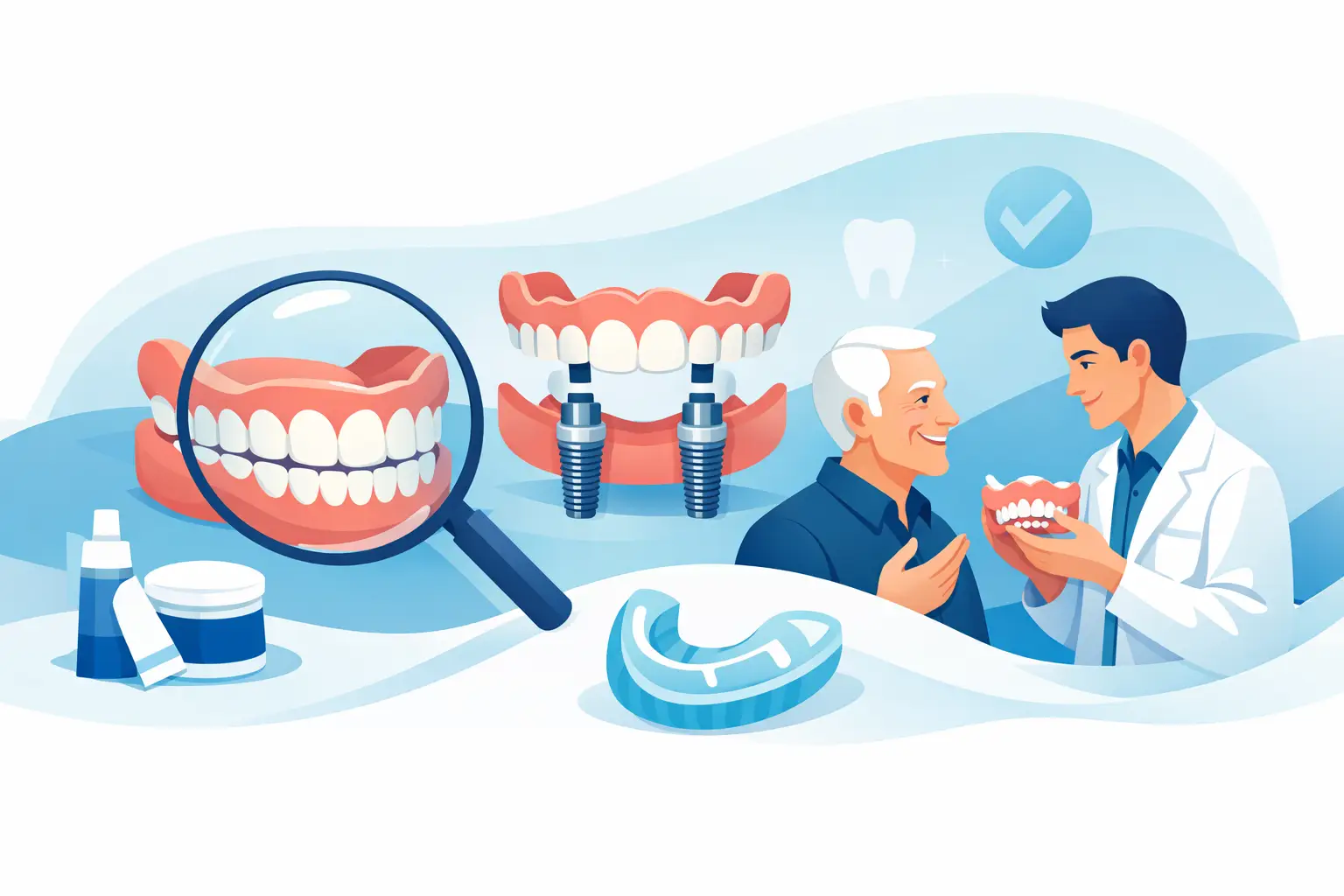
A denture that slips at dinner, lifts when you talk, or rubs one sore spot can make even familiar moments feel stressful. The best solutions for loose dentures depend on why the fit changed in the first place. A little movement may call for a simple adjustment. Ongoing instability may be a sign that the denture, your gums, or the bone beneath them needs more lasting support.
You should not have to plan meals around your dentures or worry that they will move during a conversation. Loose dentures are common, especially as the mouth naturally changes over time, and there is no judgment in needing help. A careful exam can identify what is happening and give you clear options based on your comfort, health, goals, and budget.
Why Dentures Become Loose
Dentures are made to fit the shape of your gums and jaw at a particular point in time. That shape does not stay exactly the same. After teeth are removed, the jawbone gradually shrinks because it is no longer receiving the stimulation provided by tooth roots. Gum tissue can also change, and weight changes, medical conditions, dry mouth, and normal wear can affect how a denture feels.
Sometimes the issue is not your mouth at all. A denture can wear down, warp, crack, or lose its proper bite over years of daily use. If the teeth on the denture have become flat, your jaws may close differently than they once did, which can make the appliance rock or shift.
A denture adhesive may provide temporary grip, but it cannot correct a poor fit. If you are applying more adhesive than usual, using it every day just to get through meals, or still dealing with movement despite adhesive, it is time for a professional evaluation.
Best Solutions for Loose Dentures, Based on the Cause
There is no single answer that is right for every patient. The most appropriate treatment starts with checking the fit of the denture, the condition of your oral tissues, your bite, and the amount of healthy bone available. These are the solutions a dentist may discuss.
A denture adjustment for pressure spots or minor movement
If a denture is generally stable but pinches, rubs, or feels slightly uneven, a small adjustment may be enough. Your dentist can carefully reshape areas that are placing too much pressure on the gums or refine the bite so the denture sits more evenly.
This is often the quickest and least involved option, but it has limits. An adjustment cannot replace missing material throughout the inside of an older denture, restore worn teeth, or stop the bone changes that caused the problem. Trying to adjust a denture yourself can make the fit worse and may leave it beyond repair.
A soft reline when gums are tender
A soft reline adds a cushioning material to the tissue-facing surface of a denture. It can be especially helpful when gums are sore, thin, healing after extractions, or easily irritated. The material is gentler than traditional hard acrylic and can make wearing the denture much more comfortable.
Soft relines are not always permanent. They may wear, become less effective, or need replacement over time. Still, for someone who needs comfort while their mouth heals or who cannot tolerate a hard denture base, this can be a valuable solution.
A hard reline for a more precise fit
When the denture itself is in good condition but no longer matches the contours of your gums, a hard reline may restore a closer fit. The dentist records the current shape of your mouth and replaces the old inner surface with new acrylic.
A hard reline is often a practical middle ground. It generally costs less than a new denture and can improve stability substantially. It works best when the denture teeth, base, and bite are still sound. If the denture is cracked, badly worn, or has been repaired several times, investing in a reline may not be the best long-term value.
A new denture when the existing one is worn or outdated
Most dentures do not last forever. If yours is more than several years old, has loose or worn teeth, looks bulky, repeatedly breaks, or no longer supports your lips and facial appearance as it should, a new denture may make more sense than continued repairs.
A well-planned new denture is not simply a replacement appliance. It is an opportunity to improve fit, bite, tooth appearance, speech, and facial support. The process should include time to discuss what you liked and disliked about your previous denture. That information matters. If you have felt self-conscious about the shape or color of the teeth, or struggled with a bulky upper plate, say so.
Implant-supported dentures for dependable stability
For many people, implants offer the most meaningful improvement in denture security. Dental implants are small posts placed in the jawbone to act as artificial tooth roots. Once integrated with the bone, they can support a removable denture that snaps into place or a fixed full-arch restoration that stays in place.
An implant-retained overdenture remains removable for cleaning but attaches to implants for a much firmer hold. It can reduce slipping, improve chewing, and make it easier to speak without constantly repositioning the denture. A fixed full-arch option, often called All-on-X treatment, is designed to stay in place and is removed only by the dental team for professional maintenance.
Implants require a surgical procedure, healing time, good home care, and an upfront financial commitment. Not every patient needs or wants a fixed option. But if loose dentures are limiting what you eat, affecting confidence, or causing ongoing soreness, an implant consultation is worth considering. Even a small number of implants may make a dramatic difference in stability.
Do Not Ignore These Signs
A loose denture can lead to more than inconvenience. Friction may cause ulcers, inflamed gums, and persistent pain. Poor stability can make it difficult to chew nutritious foods, while an unstable bite may contribute to jaw fatigue. If a denture suddenly becomes loose, breaks, causes bleeding, or is paired with a sore that does not heal, schedule a dental visit promptly.
It is also wise to have dentures checked regularly, even when they seem fine. Oral cancer screenings, gum evaluations, and fit checks remain important for people with full or partial dentures. A denture should never be treated as something you simply endure until it fails.
What to Expect at a Denture Consultation
A good consultation should feel unhurried. Your dentist will listen to what is bothering you most, whether that is slipping, pain, difficulty eating, appearance, gagging, or concern about cost. They will examine the denture and your mouth, review any needed imaging, and explain whether an adjustment, reline, replacement, or implant-supported option is likely to help.
Ask direct questions. How long is this solution expected to last? Will it improve chewing or mainly improve comfort? What maintenance will it require? Are there lower-cost steps that can safely buy time, and what are the risks of waiting? Clear answers help you choose without feeling pressured.
At Classic Dental Arts, that conversation is designed to move at your pace. Whether you have worn dentures for decades or are considering implants for the first time, the goal is to help you understand the choices and make a decision that feels right for you.
A Better Fit Can Change More Than Meals
Living with loose dentures can quietly shrink your world. You may avoid restaurants, cover your mouth when you laugh, or choose softer foods even when you miss what you used to enjoy. Those compromises are real, but they do not have to be permanent.
Start with an evaluation rather than another tube of adhesive. With the right fit, the right support, and a plan built around your needs, dentures can feel far more comfortable, secure, and natural in everyday life.