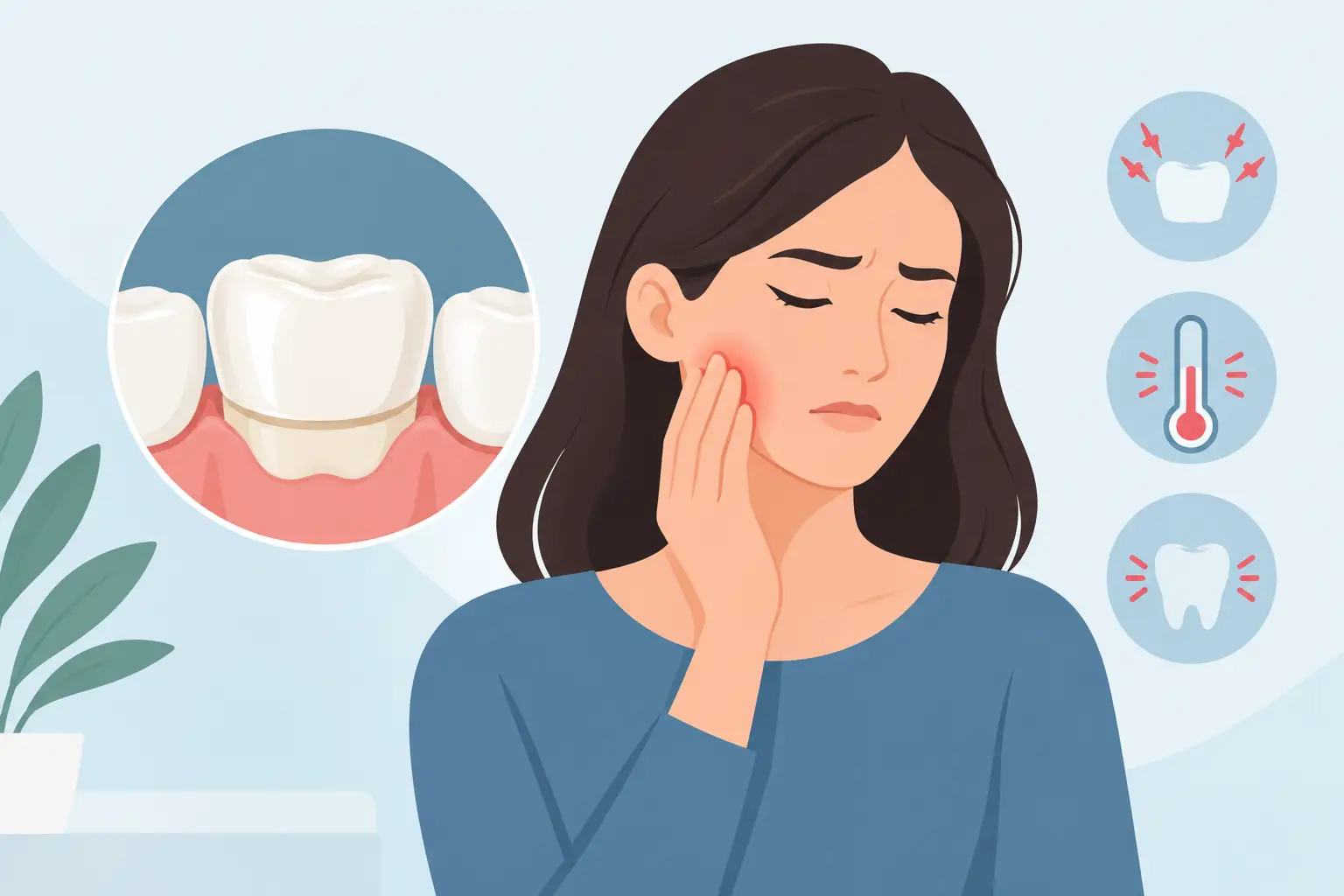
A new crown is meant to make a damaged tooth feel strong and usable again. So when cold water sends a sharp sensation through it, or chewing feels sore, it is understandable to wonder whether something has gone wrong. Crown sensitivity causes range from a short-term response after treatment to an issue that needs prompt attention. The key is paying attention to the type of discomfort, when it started, and whether it is improving or getting worse.
There is no judgment if you have put off calling because you are nervous, busy, or hoping the feeling will fade. A dental team can usually sort out the reason with a careful exam and a clear conversation - without rushing you into a solution.
When Crown Sensitivity Is Part of Healing
Some sensitivity after receiving a crown can be normal, especially during the first few days or weeks. To prepare a tooth for a crown, the dentist removes a small amount of enamel and may replace old fillings or decay. That work can temporarily irritate the tooth's inner nerve tissue.
You may notice sensitivity to cold drinks, sweets, or brushing near the gumline. Mild tenderness when you first chew can also happen while your mouth adjusts. In many cases, this settles gradually rather than disappearing overnight.
A crown itself does not have a nerve, but the natural tooth underneath does. If that tooth was already deeply decayed, cracked, heavily filled, or irritated before the crown was placed, it may take longer to calm down. A tooth that has had extensive work has less reserve than an untouched tooth, so the recovery period can vary.
What matters most is the trend. Discomfort that becomes less frequent and less intense is generally reassuring. Pain that lingers, wakes you at night, or steadily worsens deserves a call to your dentist.
Common Crown Sensitivity Causes That Need Attention
A crown that is slightly too high
One of the most common and fixable reasons for pain after a crown is a bite that is just a little off. Even a tiny high spot can make that tooth absorb more pressure than it should each time you close your teeth or chew.
The sensation may feel like a bruised tooth, pressure when biting, or pain when you release your bite. Some people also notice jaw fatigue or feel as though the crowned tooth touches first. A simple bite adjustment can often relieve the issue quickly. It is better not to wait it out, because repeated excess pressure can keep the tooth and its supporting tissues inflamed.
Gum irritation or recession around the crown
The gum tissue near a newly placed crown can be tender after the procedure. Brushing and flossing may feel uncomfortable for a short time, particularly if the area was inflamed beforehand.
Sensitivity can also occur later if gums recede and expose part of the tooth root near the crown edge. Root surfaces do not have the same protective enamel as the visible part of a tooth. Cold, air, and brushing can reach sensitive areas more easily. Gentle brushing with a soft toothbrush and a sensitivity toothpaste may help, but ongoing recession should be evaluated so the underlying cause can be addressed.
Decay at the edge of the crown
A crown protects much of a tooth, but it does not make the tooth immune to decay. Bacteria can collect where the crown meets the natural tooth, especially if plaque is allowed to build up along the gumline. Decay can develop at that margin and sometimes travel beneath the crown before it is visible to the patient.
Sensitivity to sweets or cold can be an early clue. A rough edge, a dark line near the gum, floss that catches or shreds, or a persistent bad taste may also warrant an exam. Good daily home care and regular cleanings are the best defense, but this is not about blame. Crowns age, gums change, and small problems are far easier to manage when found early.
A crack or fracture in the tooth or crown
Teeth that need crowns are often structurally weakened to begin with. A crack may extend deeper into the tooth over time, particularly in people who clench or grind their teeth. The crown itself can also chip or fracture after biting something very hard or sustaining an injury.
Pain from a crack is often unpredictable. You might feel a quick, sharp pain when chewing on one side, then struggle to recreate it later. If chewing pain is new or the crown feels different, avoid hard or sticky foods on that side until it can be checked.
Nerve inflammation or infection inside the tooth
Sometimes the nerve inside a crowned tooth cannot recover from prior decay, trauma, or extensive dental work. Inflammation of the nerve can cause lingering sensitivity to hot or cold, throbbing pain, pressure, swelling, or tenderness when biting.
Not every affected tooth needs the same treatment. If the nerve is irreversibly inflamed or infected, root canal treatment may be recommended to save the natural tooth. Because the crown may be part of a larger restoration plan, the dentist will consider its condition, the tooth's long-term outlook, and your comfort before discussing options in plain English.
Teeth grinding and clenching
Many people clench or grind without realizing it, often during sleep or stressful periods. The force can make a crowned tooth feel sore, cause tiny fractures, or aggravate a bite imbalance. Headaches, jaw soreness, worn teeth, and sensitivity that is worse in the morning can point in this direction.
A custom night guard may help protect both the crown and the rest of your teeth. The right choice depends on your bite, existing dental work, and whether grinding is occasional or ongoing.
What to Do When a Crown Feels Sensitive
For mild sensitivity soon after treatment, use a soft-bristled toothbrush and avoid very hot, very cold, or extremely sweet foods for a few days. Chew on the other side if the tooth is tender, and consider a toothpaste made for sensitivity. Take medication only as directed by your physician or dentist, especially if you have health conditions or take other prescriptions.
Do not try to adjust the crown yourself or ignore a feeling that your bite is uneven. A crown should not feel like it is taking the first hit every time you close your mouth. Similarly, avoid repeatedly testing the tooth with ice water or hard foods. That can make an already irritated tooth feel worse.
Call the dental office if sensitivity lasts longer than two to four weeks without improvement, returns after the crown has felt fine, or affects your ability to eat comfortably. Earlier evaluation often means a simpler, less stressful solution.
When Crown Pain Is Urgent
Contact a dentist promptly if you have facial or gum swelling, fever, a pimple-like bump on the gums, severe throbbing pain, or pain that keeps you awake. These symptoms can signal an infection and should not be managed by waiting for them to pass.
A crown that feels loose, falls off, breaks, or has a sharp edge should also be seen as soon as possible. Keep the crown if it comes off, but do not use household glue to put it back. Until you are seen, avoid chewing on that tooth and keep the area clean.
Can a Sensitive Crown Be Saved?
Often, yes. The answer depends on why it is sensitive. A bite adjustment, treatment for gum inflammation, a repair, or a new crown may be enough in some situations. If decay or a nerve problem has reached deeper into the tooth, root canal treatment may allow the tooth and, in certain cases, the existing crown to remain in place.
The goal is not to recommend more treatment than you need. It is to identify the source of the pain and protect the tooth for the long term. At Classic Dental Arts, that starts with listening to what you are feeling, examining the tooth carefully, and explaining what the findings mean before you make a decision.
If a crown is asking for your attention, trust that signal. A calm evaluation now can replace uncertainty with a clear plan and help you get back to eating, speaking, and smiling comfortably.