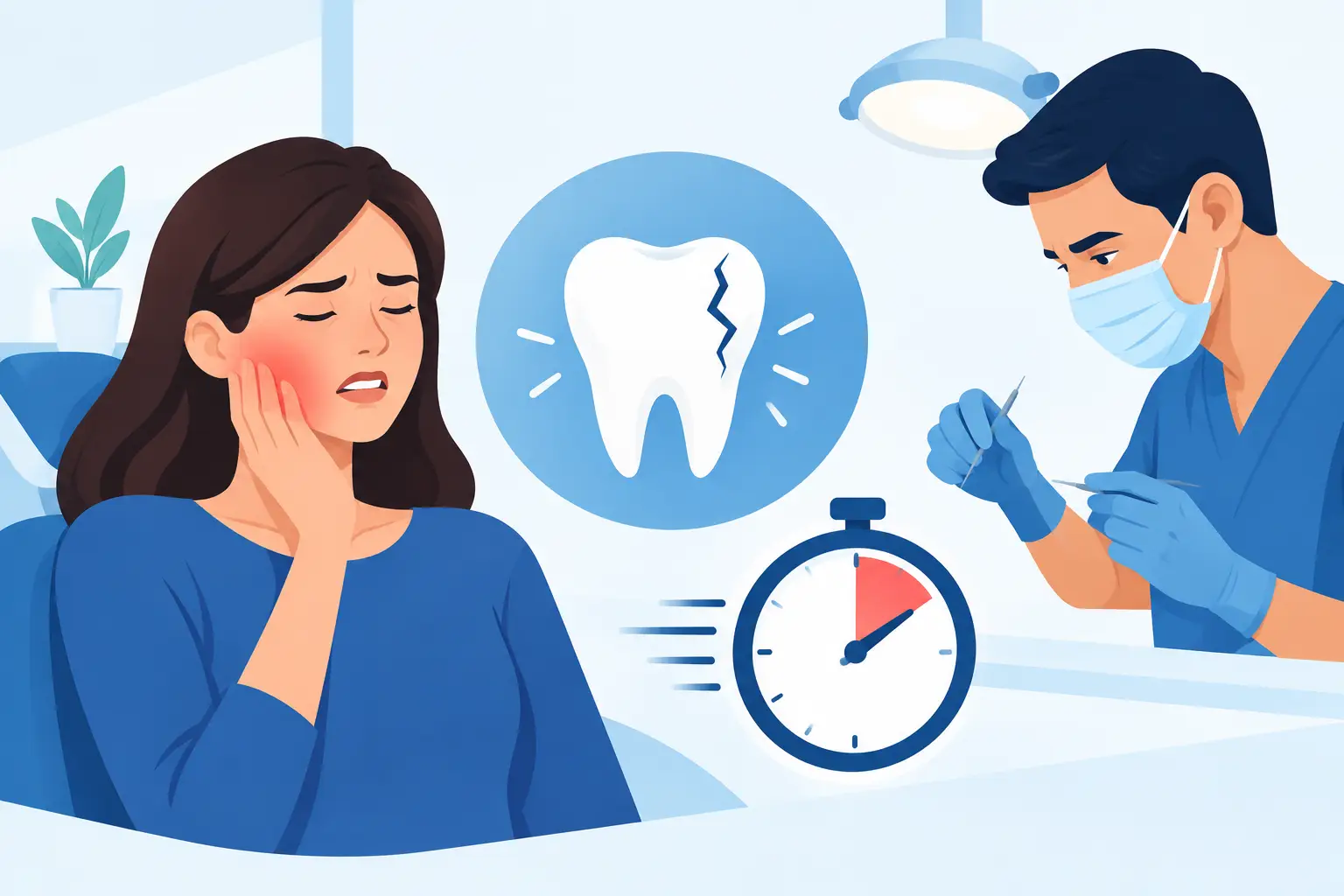
A cracked front tooth before a family event, a crown that comes loose at dinner, or a sudden toothache that keeps you awake can feel overwhelming. Emergency tooth repair is about protecting your tooth, easing discomfort, and avoiding a small problem becoming a more complicated one. The right next step depends on what happened, but you do not have to figure it out alone.
At Classic Dental Arts, we understand that dental emergencies rarely arrive at a convenient time. Whether you are in pain, worried about how your smile looks, or simply unsure how serious the situation is, the first goal is to help you feel calmer and give you a clear plan.
What Counts as a Dental Emergency?
Not every dental concern needs treatment the same hour, but certain symptoms should never be ignored. A knocked-out tooth, uncontrolled bleeding, significant swelling, a broken tooth with sharp edges, severe pain, or an injury to the jaw all deserve prompt attention.
A lost filling, loose crown, mild chip, or tooth sensitivity may not always require an after-hours visit, but it should still be addressed soon. Teeth do not repair themselves. A small crack or an opening around an old restoration can allow bacteria into the tooth, increasing the risk of infection, nerve damage, or a larger fracture.
If facial swelling affects your ability to breathe or swallow, or if you have a serious injury to the face or jaw, seek emergency medical care immediately.
Emergency Tooth Repair Starts With Protecting the Tooth
The best first aid is usually simple. Avoid chewing on the injured side, keep the area clean, and call a dentist as soon as possible. Do not try to permanently repair a tooth with household glue, tape, or a hardware-store adhesive. These materials are not safe for your mouth and can make professional treatment more difficult.
Here is what to do in several common situations.
If a Tooth Is Knocked Out
Time matters most with a knocked-out permanent tooth. Pick it up by the crown, which is the chewing surface you normally see, not by the root. If it is dirty, rinse it gently with milk or clean water for a few seconds. Do not scrub it or remove any tissue attached to the root.
If you can do so safely, place the tooth back into its socket and gently bite on clean gauze to hold it in place. If that is not possible, keep it moist in a container of milk or saliva. Then contact a dentist right away. The sooner a permanent tooth is evaluated, the better the chance of saving it.
Do not place a knocked-out baby tooth back into the socket. That can affect the developing adult tooth underneath.
If a Tooth Is Chipped, Cracked, or Broken
Rinse your mouth with warm water and save any pieces of the tooth you can find. A cold compress against the outside of the cheek may help with swelling. If a sharp edge is cutting your tongue or cheek, dental wax or sugar-free gum can temporarily cover it until you are seen.
A chip may only need smoothing or bonding. A deeper crack may need a crown to protect the remaining tooth structure. If the crack reaches the nerve, root canal treatment followed by a crown may be the most reliable way to keep the tooth. The treatment is not one-size-fits-all, which is why an exam and X-rays matter.
If a Crown, Filling, or Bridge Comes Loose
A loose crown can expose sensitive tooth structure and leave the tooth vulnerable to fracture. If you still have the crown, rinse it and bring it with you. Avoid chewing on that side and keep the area clean.
Some pharmacies carry temporary dental cement, which may be appropriate for short-term protection when used exactly as directed. It is not a substitute for an appointment. A crown can come loose because the cement failed, but it can also signal decay underneath or a change in the tooth itself. Reattaching it without checking the cause may only delay the real repair.
If You Have Severe Tooth Pain or Swelling
Pain that throbs, wakes you at night, or worsens with pressure can point to a cracked tooth, deep decay, gum infection, or an issue with the nerve inside the tooth. Rinse gently with warm salt water, use a cold compress for facial swelling, and contact a dental office promptly.
Over-the-counter pain medicine may help some people when taken according to the label and their physician's guidance. Never place aspirin directly on the gums or tooth. It can burn the soft tissue and will not treat the source of the pain.
What Your Dentist May Do for Emergency Tooth Repair
The purpose of an emergency appointment is not simply to get you out of pain for a day. It is to understand what caused the problem and preserve as much healthy tooth structure as possible.
Your dentist may take X-rays, check the bite, test the tooth's nerve response, and examine the gums and surrounding bone. From there, treatment could be as conservative as smoothing a sharp edge or placing a bonded filling. Other situations may call for a new crown, root canal treatment, splinting a loose tooth, replacing a restoration, or discussing an implant if a tooth cannot be saved.
There are trade-offs. A temporary repair can be the right choice when swelling needs to settle, when a lab-made crown is needed, or when you need relief while considering a larger treatment plan. But temporary care should come with a clear follow-up plan. A tooth that feels better is not always fully healed.
How to Avoid Making the Problem Worse Before Your Visit
Until you can be seen, choose soft foods and chew away from the affected area. Brush gently, floss carefully if it does not worsen pain, and avoid very hot, very cold, or sugary foods if the tooth is sensitive. If a tooth is loose after an injury, do not keep touching or testing it with your tongue or fingers.
It can also help to write down when the pain started, what triggers it, and whether you have noticed swelling, fever, or a bad taste. Bring any broken tooth pieces, crowns, or dentures with you. These details help your dentist make a faster, more accurate recommendation.
Dental Anxiety Should Not Delay Emergency Care
Many people put off calling because they are embarrassed, worried about the cost, or afraid they will be judged for how long it has been since their last visit. There is no judgment here. Dental problems can develop quietly, and emergencies happen to people who brush, floss, and keep regular appointments, too.
If you feel anxious, say so when you call. A caring dental team can explain what to expect, move at your pace, and focus first on getting you comfortable. Ask about the recommended treatment, the alternatives, the expected timeline, and costs before moving ahead. Clear answers make it easier to make decisions with confidence.
When a Repair Becomes a Longer-Term Restoration
Sometimes an emergency exposes a problem that has been building for years. A tooth may be too weakened for another filling, an old bridge may no longer fit securely, or several worn teeth may need attention together. That does not mean you need to decide everything during an urgent visit.
First, address pain, infection, and immediate damage. Then, once you are comfortable, your dentist can talk through a long-term plan that fits your health, goals, and budget. For some patients, that may mean a single crown. For others, it may involve dentures, implants, or more comprehensive rehabilitation. Good dentistry should never feel rushed or pressured.
A dental emergency can be unsettling, but prompt, thoughtful care can protect far more than a tooth. It can preserve your comfort, your confidence, and your options for the future. If something does not feel right, trust that instinct and call for guidance.