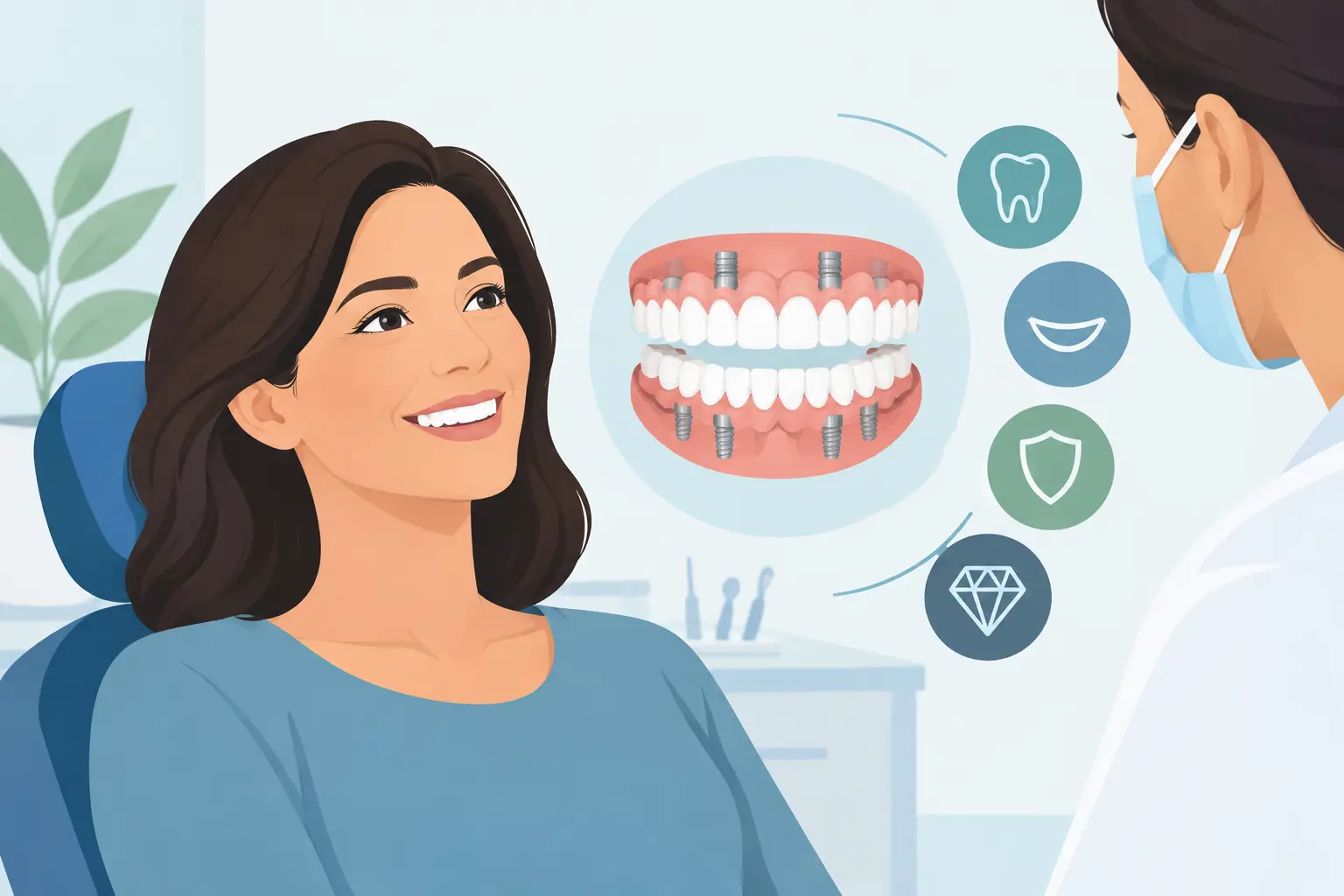
When eating feels difficult, smiling feels uncomfortable, or dental visits have been put off for years, it can be hard to know where to begin. This guide to full mouth rehabilitation is meant to make that first step feel clearer: what treatment can involve, why every plan looks different, and how a thoughtful dentist helps you move forward without judgment.
Full mouth rehabilitation is not about chasing a perfect-looking smile at any cost. It is a carefully planned process for rebuilding the health, function, comfort, and appearance of teeth and gums when several concerns are affecting your mouth at once.
What Full Mouth Rehabilitation Can Address
A full mouth rehabilitation, sometimes called full mouth reconstruction, combines dental treatments to restore a mouth that has been damaged by decay, missing teeth, worn teeth, gum disease, injury, or older dental work that is no longer holding up. The goal is to create a stable foundation before making cosmetic changes.
You may be a candidate if you have multiple missing or broken teeth, trouble chewing, jaw discomfort, severely worn teeth, loose dentures, recurring infections, or a bite that no longer feels right. Some people seek care after avoiding the dentist because of fear or embarrassment. Others have seen the effects of grinding, acid wear, medications that cause dry mouth, or years of dental problems that were treated one tooth at a time.
There is no single treatment package for everyone. One patient may need several crowns and a few implants. Another may need gum treatment, extractions, implant-supported teeth, and a new bite. A person with healthy gums and bone may have a very different path than someone who needs to first address infection or bone loss.
Your Guide to Full Mouth Rehabilitation: The First Visit
A proper consultation should never feel like a rushed sales appointment. The first conversation is a chance to explain what has been bothering you, what you hope will change, and what has made dental care difficult in the past. If anxiety, time away from work, or cost is on your mind, say so. Those details matter when building a plan that you can realistically follow.
Your dentist will typically examine your teeth, gums, bite, jaw joints, and the way your teeth come together. Digital X-rays, photographs, scans, and impressions may be used to understand what cannot be seen during a visual exam. This information helps identify active decay, infection, gum concerns, failing restorations, bone levels, and areas where teeth are under too much pressure.
Just as important, the dentist should explain the findings in plain English. You deserve to understand which problems need attention now, which can be monitored, and why the recommended order of treatment matters. At Classic Dental Arts, the approach begins with listening and a no-pressure conversation, because a good plan has to fit the person, not just the X-rays.
Building a Plan in the Right Order
Full mouth rehabilitation is usually completed in phases. Trying to do everything at once may not be the safest, most comfortable, or most affordable choice. The right sequence protects the long-term result.
First, create a healthy foundation
Active infection, untreated gum disease, significant decay, and painful teeth generally need to be addressed before final crowns, bridges, or implant restorations are placed. Depending on your needs, this phase may include professional cleanings, periodontal treatment, root canal treatment, fillings, or removing teeth that cannot be saved.
Saving a natural tooth is often worthwhile when it has a sound long-term prognosis. However, holding onto a tooth that is repeatedly infected, severely fractured, or too weak to support a restoration can lead to more trouble later. Your dentist should be candid about that trade-off rather than promising to save every tooth at all costs.
Then, replace missing or failing teeth
Dental implants, fixed bridges, removable dentures, and implant-supported dentures are possible ways to replace teeth. Implants can provide excellent stability and help preserve bone, but they require adequate bone and healthy gums, along with healing time. Some patients need bone grafting before implants can be placed.
For people missing most or all teeth, All-on-X treatment may allow a full arch of fixed teeth to be supported by a carefully planned number of implants. It can be life-changing for the right patient, but it is still a surgical and restorative process that requires ongoing hygiene and maintenance. A removable denture can be a practical choice in other situations, especially when budget, medical history, or anatomy makes implants less appropriate.
Restore the bite and appearance
Once health and stability are addressed, crowns, bridges, veneers, bonding, or final implant teeth can restore shape, strength, and appearance. In cases of severe wear, the dentist may need to rebuild the bite gradually so the jaw and muscles can adapt comfortably.
This is where planning makes a visible difference. Teeth should not only look natural individually. They need to work together when you speak, chew, and close your mouth. A beautiful result that creates pain or chips repeatedly is not a successful result.
How Long Does Treatment Take?
The timeline depends on the complexity of your needs. A limited rehabilitation may take a few appointments over several weeks. More involved cases can take months, particularly when healing after extractions, implant placement, bone grafting, or gum treatment is needed.
That can sound discouraging when you want relief quickly. Yet careful timing is often what protects your investment. Temporary teeth may be used during parts of treatment so you are not left without a smile or the ability to function. Your dentist should explain what you can expect at each stage, including what will be temporary and when final restorations can be placed.
Comfort, Anxiety, and Feeling in Control
Many patients considering full mouth treatment carry difficult memories of dentistry. Perhaps past care felt painful, rushed, confusing, or shaming. Maybe the condition of your teeth has made you avoid photographs, restaurants, or even conversations. There is no judgment here. Delaying care is common, and it does not make you a bad patient.
Let the dental team know if you need extra time, clear explanations before treatment begins, breaks during appointments, or help discussing comfort options. You should be able to ask questions without feeling pressured into a decision. Moving at your pace does not mean ignoring urgent concerns. It means understanding them, addressing them thoughtfully, and giving you a sense of control throughout the process.
Understanding Cost Without Surprises
The cost of full mouth rehabilitation varies widely because the treatment itself varies widely. The number of teeth involved, need for gum care, extractions, implants, grafting, laboratory work, temporary restorations, and the materials chosen can all affect the total.
A trustworthy estimate should be transparent and phased whenever possible. Ask what is included, what may change if unexpected findings arise, which steps are most urgent, and whether there are alternatives that meet your goals with a different cost or timeline. Sometimes a staged approach allows you to restore the most important areas first while planning future work responsibly.
The least expensive option is not always the least costly over time. A restoration that does not address the underlying bite, gum health, or structural problem may need replacement sooner. Still, higher-cost treatment is not automatically the right answer either. The best plan balances clinical needs, comfort, durability, appearance, and your financial reality.
Caring for Your Restored Smile
Rehabilitation is not the end of dental care. Crowns, bridges, dentures, and implants need regular cleanings, examinations, and home care to last as long as possible. If grinding contributed to damage, a protective nightguard may be recommended. If gum disease was part of the problem, more frequent periodontal maintenance may be necessary.
Daily brushing and cleaning between teeth remain essential, including around implants and under bridgework. Your dental team can show you the tools and techniques that fit your restorations. Small maintenance visits can prevent a minor issue from becoming another major repair.
Choosing to begin is often the hardest part. You do not need to arrive with all the answers, and you do not need to feel embarrassed about where things stand. A calm, honest conversation with an experienced dental team can turn a situation that feels overwhelming into a plan you can take one comfortable step at a time.