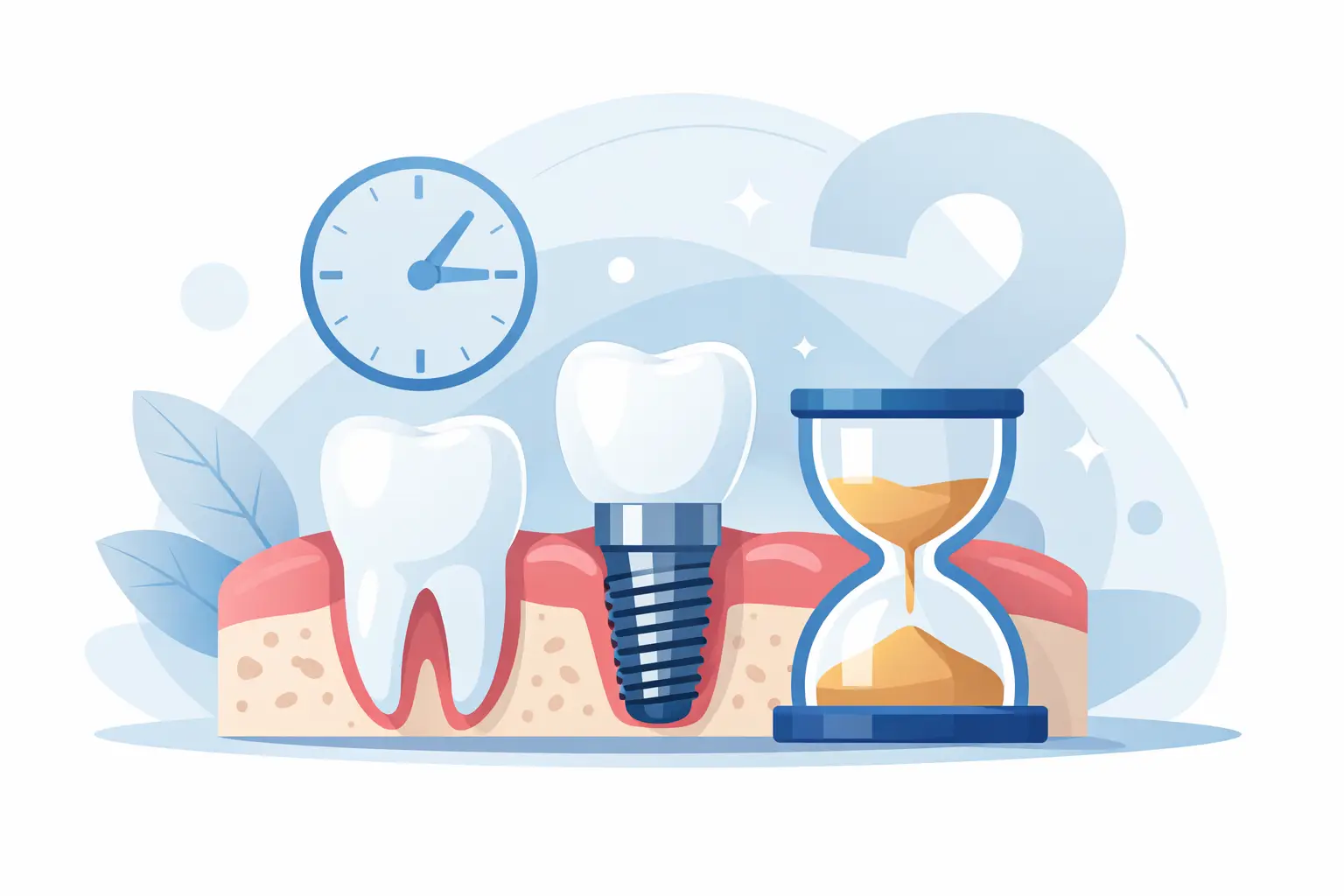
If you're asking how long do dental implants last, you're probably not looking for a vague answer. You want to know whether this is a short-term fix, a long-term investment, or something in between. That question matters even more if you've already dealt with missing teeth, loose dentures, failed dental work, or years of putting treatment off because you were unsure what was really worth it.
The honest answer is that dental implants are designed to last a very long time. In many cases, the implant itself can last decades and may even last for life. But that does not mean every part of the restoration will last forever without maintenance. The titanium post placed in the jawbone has a different lifespan than the crown, bridge, or denture attached to it, and your habits, health, and bite all play a role.
That may sound like a lot of "it depends," but there is good news in that. When implants are planned carefully, placed properly, and cared for consistently, they are one of the most reliable tooth replacement options in dentistry.
How long do dental implants last in real life?
For most patients, the implant post can last 20 years or longer. Many studies show very high success rates even after 10 years, especially when patients keep up with routine dental visits and home care. The restoration on top, however, may need repair or replacement sooner.
A single implant crown often lasts 10 to 15 years or more, depending on wear and tear. Implant bridges and implant-supported dentures can also last many years, but they may need adjustments, relines, replacement teeth, or new hardware over time. That is not usually a sign that the implant has failed. It often just means the visible part of the tooth has been doing its job and has experienced normal use.
This distinction is important because patients sometimes hear that implants "last forever" and assume there is never any future maintenance. A better way to think about it is this: the foundation is built to be long-lasting, but the parts that handle daily chewing can still wear down.
What affects how long dental implants last?
Implants are strong, but they are not indestructible. Their lifespan depends on a mix of biology, planning, and daily habits.
Bone health is a big factor. An implant needs enough healthy bone to fuse securely with the jaw. If bone loss is already advanced, additional treatment may be needed before placement. Once the implant is integrated well, keeping the surrounding bone healthy becomes part of protecting its long-term future.
Gum health matters just as much. Implants cannot get cavities, but the gums and bone around them can still become inflamed or infected. This condition, called peri-implant disease, is one of the most common reasons implants run into trouble later.
Bite pressure also matters. Some patients grind or clench their teeth at night without realizing it. Others have bite imbalances that place too much force on one implant or restoration. Over time, that pressure can loosen screws, crack crowns, or stress the implant's support.
Smoking is another major variable. Tobacco use affects healing, blood flow, and the health of the tissues surrounding the implant. That does not automatically mean a smoker cannot get implants, but it does raise the risk of complications and shortened lifespan.
General health plays a role too. Conditions like uncontrolled diabetes, immune issues, and certain medications can affect healing and long-term stability. None of that means treatment is off the table. It means your care should be personalized and planned with your full health picture in mind.
The implant can last longer than the crown
This is one of the most helpful things for patients to understand before treatment. The implant post is placed in the bone and acts like an artificial root. The crown, bridge, or denture attached to it is the part exposed to daily use.
Think of it like the frame of a house versus the surfaces people touch every day. The structure may stay solid for decades, while other parts need upkeep. If the crown chips, the denture wears, or a screw needs adjustment, that does not necessarily mean the implant itself is failing.
In practical terms, you may go many years with no major issues, but still need occasional maintenance. That is normal. Good treatment planning includes talking about durability and also being honest about what parts may eventually need attention.
How to help dental implants last longer
Long-lasting implants are not just about what happens on surgery day. What happens after placement matters just as much.
Daily brushing and flossing are essential. Even though the implant itself cannot decay, plaque can still build up around the gumline. If bacteria are allowed to sit there, the tissues supporting the implant can break down over time.
Regular dental checkups are equally important. Professional cleanings and implant evaluations help catch small problems before they become expensive ones. In many cases, early inflammation can be treated before it threatens the implant's stability.
If you grind your teeth, a night guard may be one of the smartest ways to protect your investment. Reducing excess pressure can help preserve both the implant and the restoration on top.
It also helps to be realistic about habits. Chewing ice, opening packages with your teeth, and ignoring a loose crown or sore gumline can shorten the life of even excellent dental work. The strongest restorations still benefit from common sense and early follow-up when something feels off.
What can shorten an implant's lifespan?
Some implant problems happen early, and others show up years later. Early failure is often related to healing issues, poor bone integration, infection, or too much movement before the implant fully bonds with the bone. Late failure is more commonly tied to gum disease around the implant, chronic overload from grinding, or lack of ongoing care.
A rushed treatment plan can also create problems. Implants are not one-size-fits-all. The position, angulation, bone support, bite design, and final restoration all need to work together. When planning is thoughtful and personalized, long-term outcomes are usually much better.
This is one reason many patients appreciate a no-pressure consultation. If you have been told you need implants, or if you've been wearing dentures and wondering whether implants are worth it, you deserve a clear explanation of what is realistic in your specific case. There is no judgment in asking questions first.
Are dental implants worth it if they may need maintenance?
For many patients, yes. Even knowing that a crown or denture may eventually need repair or replacement, implants are still often the most stable and longest-lasting option available.
Traditional dentures can shift, loosen, and accelerate bone loss over time. Bridges can be effective, but they may require support from neighboring teeth. Implants help preserve bone, improve chewing, and create a more natural feel for many people. They can also reduce the day-to-day frustration that comes with removable appliances.
That said, worth is personal. If someone wants the lowest upfront cost, implants may not feel like the easiest choice at first. If someone wants a solution built for long-term function, confidence, and stability, the value becomes much clearer.
At Classic Dental Arts, these conversations are handled with the understanding that cost, anxiety, and timing are all real concerns. Patients do better when they feel informed rather than pressured.
When should you call the dentist about an implant?
An implant should feel stable and comfortable. If you notice pain when chewing, swelling, bleeding around the implant, a loose crown, bad taste, or a change in how your bite comes together, it is worth having it checked. Waiting rarely makes things simpler.
Sometimes the fix is minor, such as tightening or replacing a worn component. Other times, early treatment can prevent bone loss and protect the implant before the issue becomes serious. The sooner a problem is evaluated, the more options you usually have.
If you've been living with missing teeth or struggling dental work, it's understandable to want certainty before moving forward. While no dentist can promise that every implant will last forever, a well-planned implant placed in a healthy mouth can serve you for decades. The goal is not perfection on paper. The goal is a strong, comfortable result that fits your life, your health, and your future.