Missing a dental cleaning can feel easy to explain away. Maybe nothing hurts. Maybe life has been busy. Maybe it has been longer than you meant it to be, and the thought of being judged makes picking up the phone harder. If you are wondering how often should adults get teeth cleanings, the short answer is often every six months. But the right answer depends on your gums, your health history, and what your mouth needs to stay stable.
There is no judgment in needing to restart. A cleaning appointment is not a test you pass or fail. It is a chance to remove buildup that brushing and flossing cannot fully reach, check for small changes, and make a sensible plan before a minor concern becomes a more complicated one.
How Often Should Adults Get Teeth Cleanings?
For many adults with healthy teeth and gums, a professional cleaning and exam every six months is a practical, time-tested routine. This schedule gives your dental team regular opportunities to remove hardened plaque, called tartar or calculus, and look for early signs of cavities, gum inflammation, worn restorations, oral cancer, or bite changes.
Six months is a starting point, not a rule that fits every person. Some people can safely remain on that schedule for years. Others benefit from cleanings every three or four months because their risk of gum disease, decay, or inflammation is higher. Your dentist or hygienist should explain why a different interval is recommended and what they are seeing in your mouth.
The goal is not to schedule more visits than you need. It is to choose a schedule that helps you avoid discomfort, tooth loss, and larger treatment needs later.
Why Cleanings Matter Even When Your Teeth Feel Fine
Plaque is a soft, sticky film of bacteria that forms on teeth every day. Good brushing and cleaning between the teeth remove a great deal of it, but plaque can collect in hard-to-reach areas, especially near the gumline and behind lower front teeth. If it hardens into tartar, it cannot be removed with a toothbrush at home.
Tartar gives bacteria a rough surface to cling to. Over time, that can irritate the gums, causing redness, bleeding, tenderness, or persistent bad breath. Gum disease is often quiet in its early stages. Many people feel no pain until it has progressed, which is one reason routine cleanings and exams matter.
A dental visit also looks beyond the cleaning itself. Small cavities, cracked fillings, early wear from grinding, and changes around crowns or implants are easier to address when they are found early. For patients who have invested in implants, bridges, dentures, or full-mouth restorative work, preventive visits help protect that investment over the long term.
When You May Need Cleanings More Often
A shorter interval is commonly recommended for adults with active gum disease or a history of periodontal treatment. In these cases, regular periodontal maintenance appointments may be scheduled every three or four months. This is different from a standard cleaning because the focus is on controlling inflammation and helping prevent the disease from becoming active again.
You may also need more frequent visits if you have diabetes, smoke or use tobacco, take medications that cause dry mouth, build tartar quickly, or have frequent cavities. Pregnancy can temporarily make gums more sensitive and prone to bleeding, so staying consistent with dental care is especially helpful.
People with dental implants may benefit from closer monitoring as well. Implants do not get cavities, but the gum and bone around them can become inflamed or infected. Regular professional care helps catch concerns around an implant before they threaten its stability.
Your home routine matters, but it is not a reason to guess at your schedule. Someone who brushes carefully twice a day and cleans between their teeth may still develop tartar quickly or have a genetic tendency toward gum disease. Another person may have low cavity risk but need help managing dry mouth. A personal recommendation is more useful than a one-size-fits-all calendar reminder.
What Happens at a Teeth Cleaning Appointment?
For many patients, uncertainty is more stressful than the appointment itself. A typical preventive visit begins with a conversation. You can share concerns about sensitivity, bleeding gums, dental anxiety, a loose restoration, or how long it has been since your last appointment. That information helps the team tailor your care.
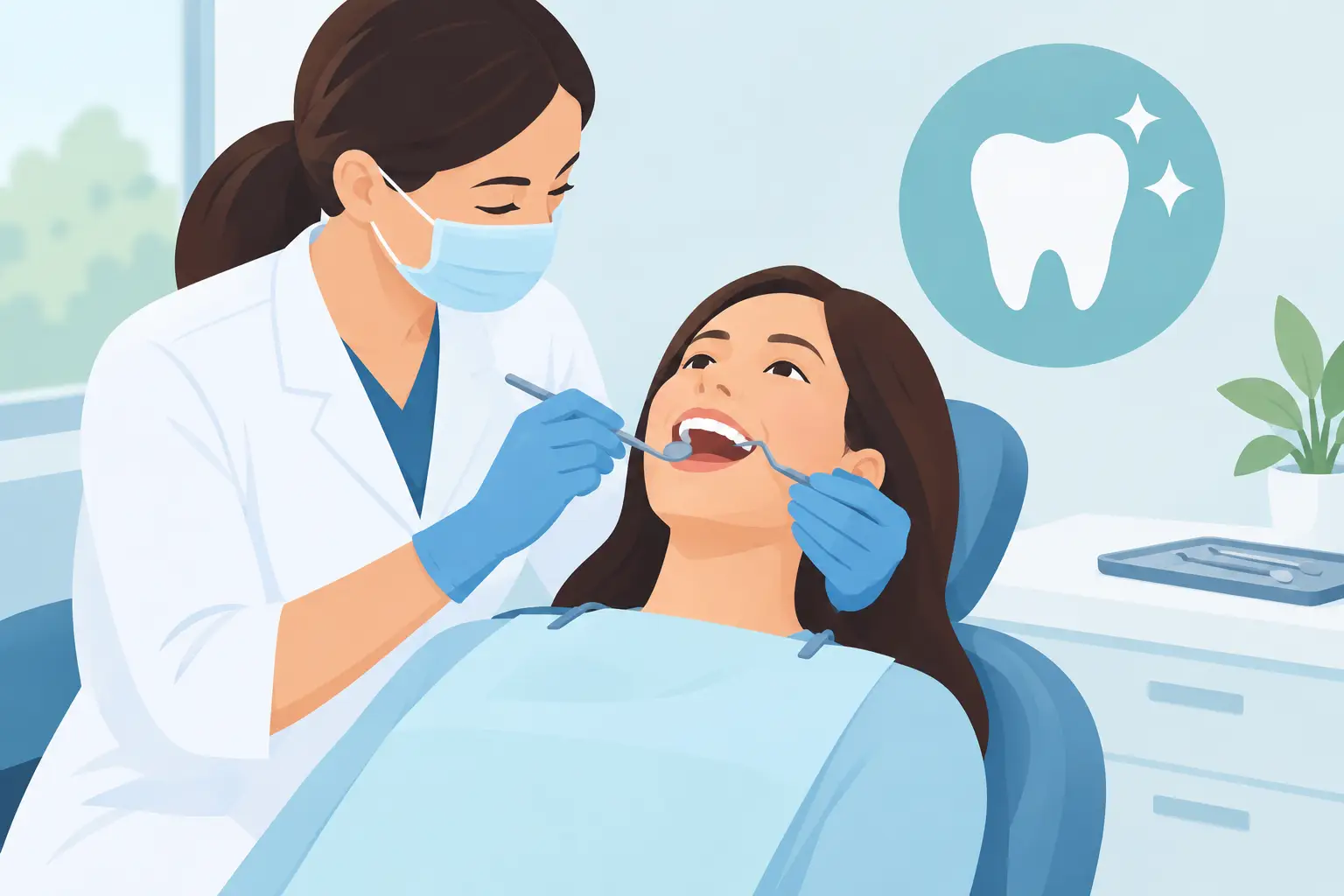
Your hygienist will evaluate your gums, remove plaque and tartar, polish the teeth when appropriate, and talk with you about areas that may need extra attention at home. Your dentist will examine your teeth, gums, bite, existing dental work, and relevant X-rays when needed. If something needs treatment, you should receive a clear explanation of what is happening, why it matters, and what your options are.
If it has been several years since your last visit, the first appointment may involve a more detailed exam and gum assessment. That does not mean you have done anything wrong. It simply gives your dental team an accurate starting point. Sometimes a deeper cleaning is needed before returning to routine maintenance. If so, ask what the treatment involves, what it costs, and what follow-up schedule is recommended. You deserve straightforward answers.
Signs You Should Not Wait for Your Next Cleaning
Routine visits are valuable, but certain changes deserve a call sooner. Bleeding that continues when you brush or floss, swollen gums, persistent bad breath, tooth sensitivity, a toothache, a loose tooth, or a broken crown should be evaluated rather than watched indefinitely.
It is also wise to call if a denture no longer fits comfortably, food repeatedly catches around a bridge or implant, or you notice a sore spot that does not heal within two weeks. These issues may be simple to resolve, but early attention can prevent more discomfort and expense.
If You Are Behind on Dental Care
Many adults delay cleanings because they expect a lecture or fear they will be pressured into treatment. That concern is understandable, especially if a past dental experience felt rushed or impersonal. A good dental office meets you where you are, explains findings in plain English, and lets you move forward at a pace that makes sense for your health and budget.
At Classic Dental Arts, that means beginning with a conversation, not criticism. Whether you need a routine cleaning, help getting gum health back on track, or a plan for more extensive restorative care, the first step is understanding your situation clearly. There is no benefit in pretending a concern is smaller than it is, but there is also no benefit in making someone feel ashamed for putting off care.
Common Questions About Adult Dental Cleanings
Can adults get cleanings only once a year?
Some adults with very low risk may be advised to come in once a year, but twice-yearly visits remain common because they allow for earlier detection of cavities and gum changes. Your dentist can tell you whether yearly visits are appropriate for your specific oral health history.
Does bleeding after flossing mean I should stop flossing?
Usually, no. Bleeding can be a sign of gum inflammation caused by plaque around the gumline. Gentle, consistent cleaning between the teeth often helps improve it, but persistent bleeding should be checked by a dental professional.
Are dental cleanings painful?
A routine cleaning is usually comfortable, though areas with inflammation, sensitivity, or heavy tartar can feel tender. Tell the hygienist what you are feeling. Breaks, gentler techniques, and options for sensitivity can make the experience much easier.
A cleaning schedule is not about perfection. It is about giving your teeth and gums consistent attention before they demand it. If you are overdue, choosing a date for a calm, no-pressure visit can be a meaningful first step toward feeling more comfortable with your smile again.