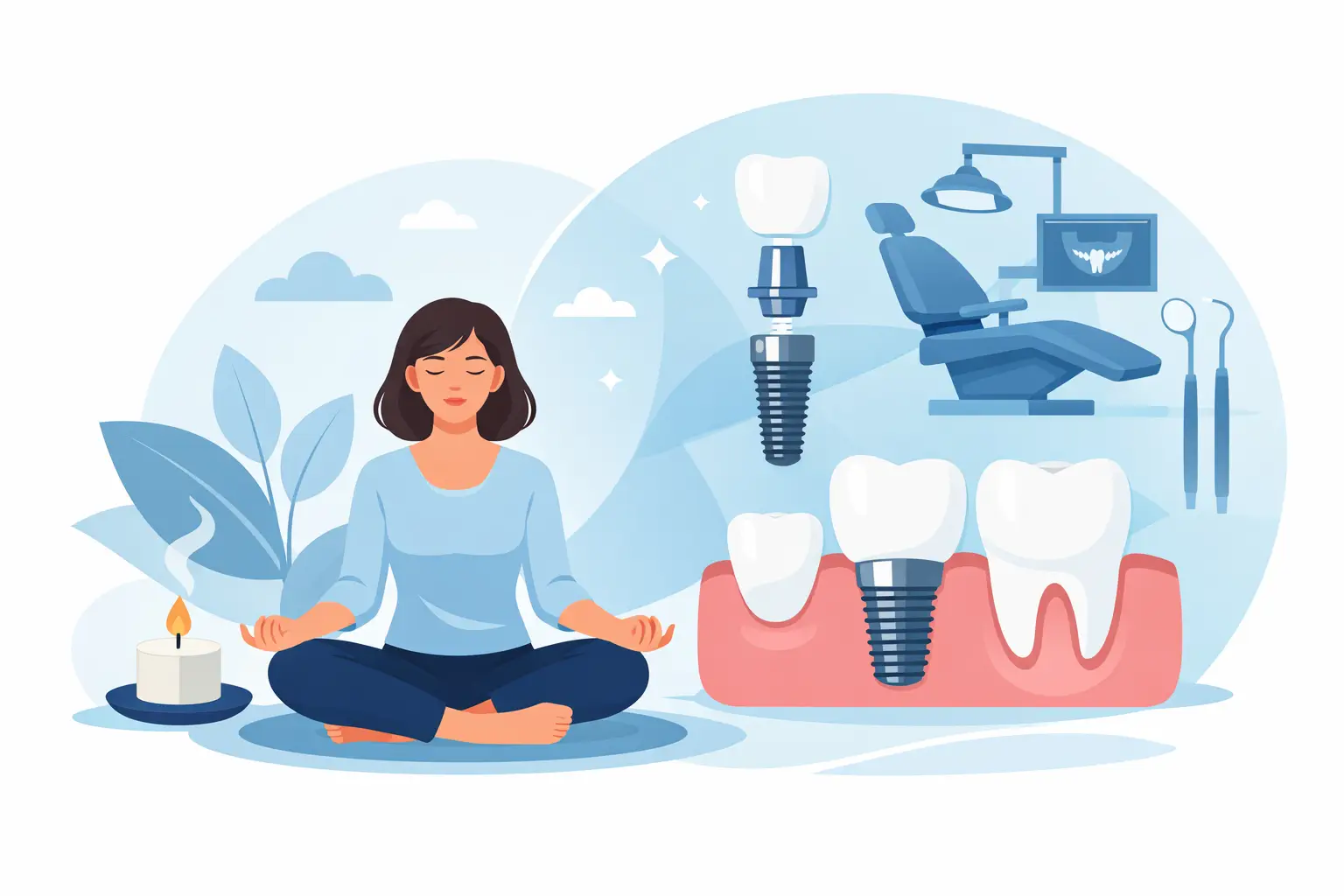
A dental implant can replace more than a missing tooth. It can make eating easier, help you speak without worry, and let you smile without covering your mouth. Still, knowing how to prepare for dental implants can feel overwhelming when you are already managing dental anxiety, health concerns, or questions about cost. A thoughtful plan makes the process feel more manageable - and gives your treatment team the information they need to care for you well.
There is no judgment if you have postponed dental care, worn a denture for years, or feel nervous about the dentist. Implant treatment is not a race. The right preparation starts with an honest conversation about your goals, your health, and what will help you feel comfortable at every stage.
How to Prepare for Dental Implants Before Your Consultation
Your first visit is the time to ask questions, not to commit to a treatment plan before you understand it. Bring a list of concerns, even if they seem small. You may want to discuss whether you are replacing one tooth, supporting a bridge, stabilizing a denture, or considering a full-arch solution such as All-on-X implants. The best option depends on your mouth, bone support, bite, overall health, and what matters most to you day to day.
It is also helpful to bring information about your medical history, current medications, allergies, and previous dental treatment. Tell your dentist if you have diabetes, heart disease, osteoporosis, an autoimmune condition, a bleeding disorder, or a history of radiation therapy involving the head or neck. These conditions do not automatically rule out implants, but they can affect the timing of treatment and the precautions your care team recommends.
Be open about dental fear, too. Some patients worry that they will be judged for the condition of their teeth. Others have had rushed or painful experiences in the past. Sharing that early allows the office to explain each step clearly, discuss comfort options, and move at a pace that feels more manageable.
Expect a Complete Evaluation
Implant planning requires more than a quick look at the missing tooth. Your dentist will examine your gums, bite, nearby teeth, and jawbone. Digital X-rays or 3D imaging may be used to see the bone beneath the gumline and identify important structures, such as nerves and sinus spaces.
This evaluation helps answer practical questions: Is there enough healthy bone for an implant? Is gum disease present? Does a damaged tooth need to be removed first? Will a bone graft or sinus lift improve the foundation for a lasting result? Not everyone needs additional procedures, but it is better to know upfront than to be surprised later.
Get Your Mouth and Overall Health Ready
Dental implants rely on healthy healing. Before surgery, your dentist may recommend treating active gum disease, tooth decay, or infection. If you still have a tooth that needs extraction, healing time may be needed before the implant is placed. In some situations, an implant can be placed at the same appointment as an extraction. In others, waiting is the safer choice. The timeline should be based on your individual anatomy and healing needs, not a one-size-fits-all schedule.
If you smoke or use nicotine products, this is an especially important time to discuss stopping or reducing use. Nicotine restricts blood flow and can raise the risk of healing problems and implant failure. Your dentist can explain the recommended timeframe for avoiding it before and after surgery. The same conversation applies to vaping, chewing tobacco, and nicotine pouches.
Good blood sugar control matters for patients with diabetes because elevated blood sugar can slow healing and increase the risk of infection. Continue working with your physician and dentist so your care is coordinated. Do not stop prescription medications, including blood thinners, on your own. Your medical and dental providers can tell you whether any adjustment is necessary.
In the weeks before treatment, focus on the basics: eat balanced meals, drink enough water, keep your teeth and gums clean, and get adequate rest. These simple habits support your body as it prepares to heal.
Plan for Surgery Day Without Adding Stress
Your dental team will give you instructions tailored to the type of anesthesia or sedation you are receiving. Follow them closely. If sedation is planned, you may be told not to eat or drink for a certain number of hours beforehand. If local anesthesia alone is being used, you may be encouraged to have a light meal first. When in doubt, call and ask rather than guessing.
Wear comfortable clothing and avoid arriving rushed. If you will receive oral sedation or IV sedation, arrange for a responsible adult to drive you home and remain available afterward. You should not drive, operate machinery, make major decisions, or return to work until the effects have fully worn off.
Before the appointment, fill any prescribed medications so they are ready at home. Your dentist may recommend pain medication, an antimicrobial rinse, or antibiotics depending on your procedure and health history. Take medications only as directed. Antibiotics are not necessary for every patient, and taking them when they are not needed is not better care.
It can also help to make the first day easier on yourself. Clear your schedule, set up a comfortable place to rest, and choose a few low-effort activities such as watching a favorite show or listening to an audiobook. Many patients feel better than they expected, but giving yourself room to recover is a wise choice.
Prepare Your Kitchen for a Softer Recovery
After implant surgery, you will usually need to avoid chewing on the surgical area while it heals. Stocking your kitchen in advance means you will not have to shop when you are tired or sore. Choose soft, nourishing foods that are easy to eat without straws, which can disturb the healing area after certain procedures.
Good options often include eggs, yogurt, oatmeal, applesauce, soup that is warm rather than hot, mashed vegetables, cottage cheese, smoothies eaten with a spoon, and tender fish. As healing progresses, your dentist will let you know when you can add more texture. Avoid hard, crunchy, sticky, spicy, or very hot foods until you are cleared to eat them.
You may also want ice packs, extra pillows to keep your head elevated, and gauze if your office recommends it. Swelling and mild discomfort are common after surgery, especially during the first few days. Cold compresses used as directed can help. Your care team should explain what is expected and which symptoms require a call.
Understand the Financial Plan Before Treatment Begins
Implant treatment is an investment in your health and quality of life, and patients deserve a clear conversation about cost. The total can vary based on the number of implants, imaging, extractions, bone grafting, sedation, the final crown or denture, and whether treatment is completed in phases.
Ask for a written treatment plan that explains what is included and what may be separate. You can also ask about insurance benefits, payment timing, and financing options. A transparent discussion is not about pressure. It is about helping you make a decision with realistic expectations and no confusion about the next step.
At Classic Dental Arts, patients are encouraged to ask direct questions about their choices, timeline, and budget. The goal is to build a plan that supports long-term function and comfort, not to rush you into treatment that does not fit your needs.
Know What Healing Really Requires
An implant does not become part of your smile in a single day. After placement, the implant needs time to integrate with the jawbone. This process, called osseointegration, often takes several months, although timelines vary. During that period, you may wear a temporary tooth, bridge, or denture so you are not left without a smile.
Your role is straightforward but meaningful: keep the area clean according to instructions, attend follow-up visits, avoid smoking, take medications as prescribed, and do not test the implant by chewing hard foods too soon. Once your final restoration is placed, ongoing home care and regular dental visits protect both the implant and the surrounding gums.
Call your dentist promptly if you have pain that becomes more severe after improving, persistent bleeding, fever, swelling that worsens after several days, a loose temporary, or any concern that does not feel right. It is always better to ask early. A caring dental office would rather reassure you than have you sit at home worried.
Preparing for dental implants is really about giving yourself support before, during, and after treatment. Bring your questions, be honest about your health and fears, and choose a team that listens. When you understand the plan and feel respected in the process, taking the next step can feel far less intimidating.