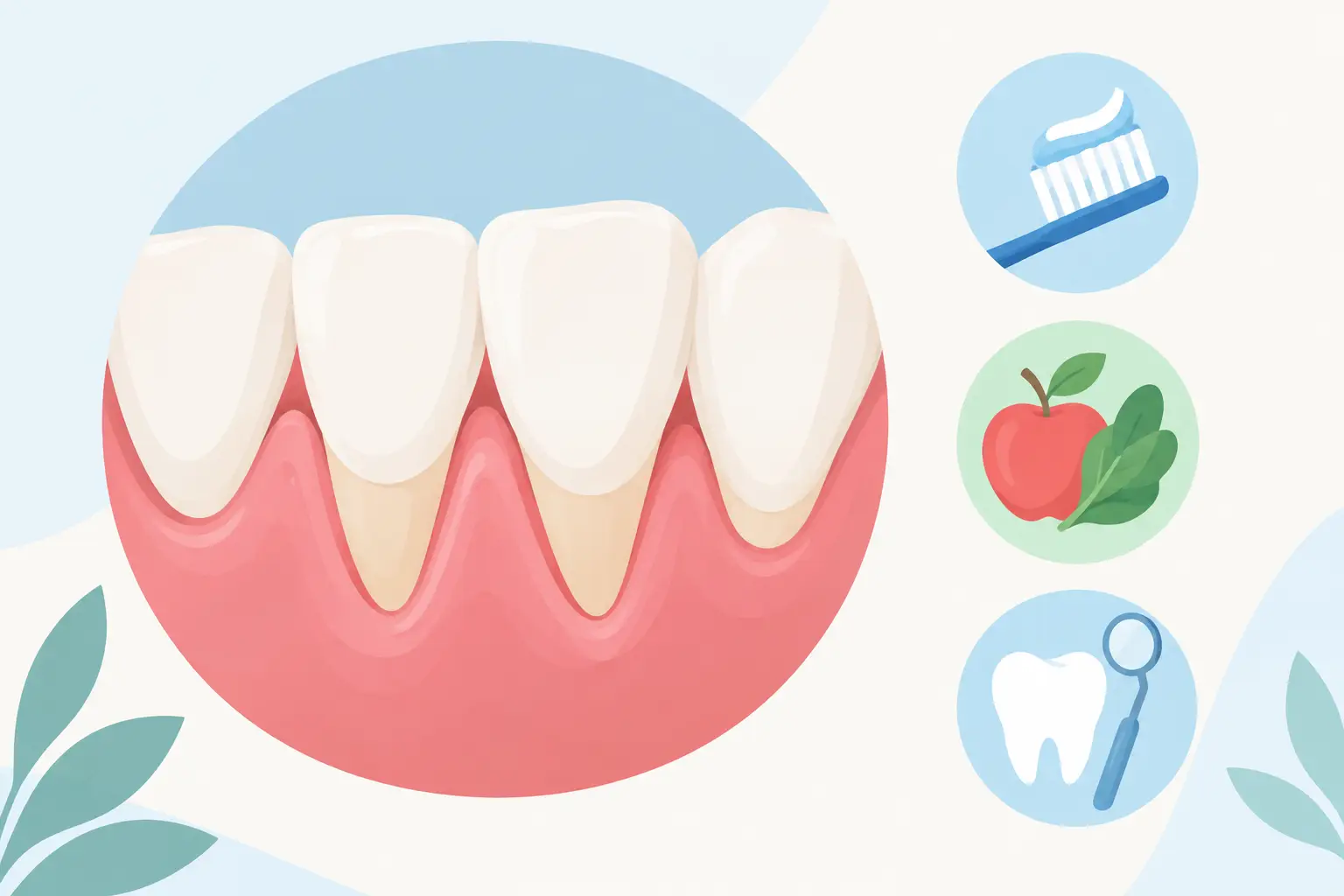
A tooth can look longer than it used to without causing much pain. For many people, that is the first clue something has changed along the gumline. If you are wondering why gums recede, you are not alone - and you are not doing anything wrong by asking. Gum recession is common, especially with age, but it deserves attention because gums do not typically grow back on their own.
The good news is that recession can often be slowed or stabilized. The right next step depends on what is causing it, how much root surface is exposed, and whether there are signs of gum disease, bite pressure, or damage from brushing. A careful dental exam can replace uncertainty with a clear plan.
What gum recession actually means
Gum recession occurs when the gum tissue around a tooth pulls back or is lost, exposing more of the tooth or its root. Because roots are not covered by the same hard enamel as the visible part of a tooth, they can be more sensitive to cold, heat, sweets, and brushing.
Recession may affect one tooth, several teeth, or the entire smile. It can develop gradually enough that you do not notice it until you see a change in the mirror, feel sensitivity, or hear your dentist point it out during a routine visit.
A receding gumline is not always an emergency. Still, it is a signal worth evaluating. Exposed roots are more vulnerable to decay and wear, and the reason behind the recession may need treatment to protect the bone and tissues supporting your teeth.
Why gums recede: the most common causes
There is rarely one explanation that fits every patient. In many cases, gum recession is the result of several factors over time.
Gum disease and inflammation
Periodontal disease is one of the most significant causes of recession. Plaque that remains near and beneath the gumline can harden into tartar, leading to inflammation and infection. As the condition progresses, it can damage the bone and connective tissue that hold teeth in place. The gums may then pull away from the teeth.
Early gum disease does not always hurt. Bleeding when you brush or floss, persistent bad breath, puffy gums, tenderness, or a change in how your teeth fit together can all be warning signs. Some patients avoid care because they are embarrassed or worried they will be judged. There is no judgment here. Gum problems are health concerns, not personal failures, and they are easier to manage when addressed early.
Brushing too hard or using the wrong technique
Brushing aggressively does not make teeth cleaner. In fact, years of heavy pressure, a hard-bristled brush, or a harsh side-to-side scrubbing motion can wear away gum tissue, particularly around the canines and premolars.
A soft-bristled toothbrush and gentle, angled strokes are usually safer for the gums. If you tend to press hard, an electric toothbrush with a pressure sensor may help. Your dental team can also show you a technique that cleans effectively without further irritating vulnerable areas.
Natural anatomy and a thin gumline
Some people naturally have thinner gum tissue or a jawbone shape that leaves certain roots with less protection. Teeth that sit slightly outside the dental arch may have a thinner layer of bone and gum around them. In these situations, recession can occur even with good home care.
This is one reason it is not helpful to compare your gumline with someone else's. What looks minor on one person may need close monitoring on another. Your dentist will consider your individual tissue thickness, bone levels, bite, and overall oral health.
Teeth grinding, clenching, and bite pressure
Clenching and grinding can place repeated force on teeth and the supporting structures around them. A misaligned bite, worn teeth, or a habit of tightening the jaw during stress may contribute to recession in some patients, particularly when other risk factors are present.
Grinding does not automatically cause gum recession by itself. But when gum tissue is already thin or inflammation is present, excess pressure can make the situation harder to manage. A custom nightguard, bite adjustment, or restorative treatment may be recommended when bite forces are clearly affecting your teeth.
Tobacco use, hormones, and other health factors
Tobacco use raises the risk of gum disease and can make it harder for gum tissues to heal. Hormonal changes, including those related to pregnancy or menopause, can also make gums more reactive to plaque. Certain medications that cause dry mouth may increase the risk of cavities on exposed roots.
Health conditions such as diabetes can influence gum health as well, particularly if blood sugar is not well controlled. This does not mean gum recession is unavoidable. It means your dental care should be tailored to the full picture of your health.
Orthodontic movement or past dental work
Braces and clear aligners can improve tooth position and make teeth easier to clean. Occasionally, moving a tooth too far toward the outside of the jawbone can contribute to recession in a person with thin tissue. Old restorations with rough edges or crowns that do not fit well can also irritate gums and trap plaque.
The answer is not to avoid treatment that could help your smile. It is to plan treatment thoughtfully, monitor the gums, and address concerns early.
When receding gums need prompt attention
Call your dentist sooner rather than later if you notice bleeding, swelling, pus, loose teeth, new spaces between teeth, worsening sensitivity, or a rapid change in your gumline. These symptoms may point to active periodontal disease or another issue that should not wait.
Even without pain, schedule an examination if a tooth appears longer, its root feels exposed, or sensitivity is affecting what you eat and drink. Many people assume sensitivity is simply part of getting older. Sometimes it is manageable with a desensitizing toothpaste or fluoride treatment, but it can also be a sign that an exposed root needs protection.
How dentists treat gum recession
Treatment begins with finding the cause. A thorough exam may include measuring the gum pockets around each tooth, checking for bleeding, reviewing X-rays for bone loss, and evaluating brushing habits and bite pressure. This process is not meant to overwhelm you. It helps ensure that treatment addresses the problem rather than simply covering up a symptom.
If inflammation or gum disease is present, professional periodontal cleaning may be the first step. This removes bacterial buildup from below the gumline and allows the tissues to heal as much as possible. Ongoing maintenance visits are often essential for keeping the condition stable.
For mild recession and sensitivity, your dentist may recommend a softer brushing approach, fluoride varnish, prescription-strength toothpaste, or a tooth-colored bonding material to cover a worn or exposed root area. These options can improve comfort and appearance, though they do not rebuild lost gum tissue.
More advanced recession may require a gum graft. During this procedure, a periodontist or trained dental specialist adds tissue to strengthen and cover an exposed root. A graft is not necessary for every case. It is generally considered when recession is progressing, sensitivity is significant, root decay is a concern, or the thin tissue needs reinforcement before other dental treatment.
If grinding or an uneven bite is part of the picture, protecting the teeth from excess force matters too. A nightguard may be enough for some people. Others may benefit from a more comprehensive discussion about worn teeth, missing teeth, or restorations that no longer support a balanced bite.
Can receding gums be prevented from getting worse?
Often, yes. Consistent home care and regular professional monitoring can make a meaningful difference. Brush twice daily with a soft brush and light pressure, clean between teeth every day, and keep recommended hygiene visits. If you use tobacco, reducing or quitting is one of the strongest steps you can take for both gum health and healing.
Just as important, do not wait for discomfort before bringing up a concern. A gumline that seems different, a tooth that feels sensitive, or bleeding that keeps returning is worth a conversation. Small changes can be far easier to manage than problems that have had years to progress.
At Classic Dental Arts, conversations about gum recession begin with listening. Whether you have avoided the dentist for a while or simply want clarity about a change you have noticed, you deserve an explanation in plain English, a calm pace, and options that make sense for your goals and budget.
A healthier gumline starts with knowing what is happening, not with blame or pressure. Taking one calm step toward an exam can give you the information needed to protect the teeth you rely on every day.