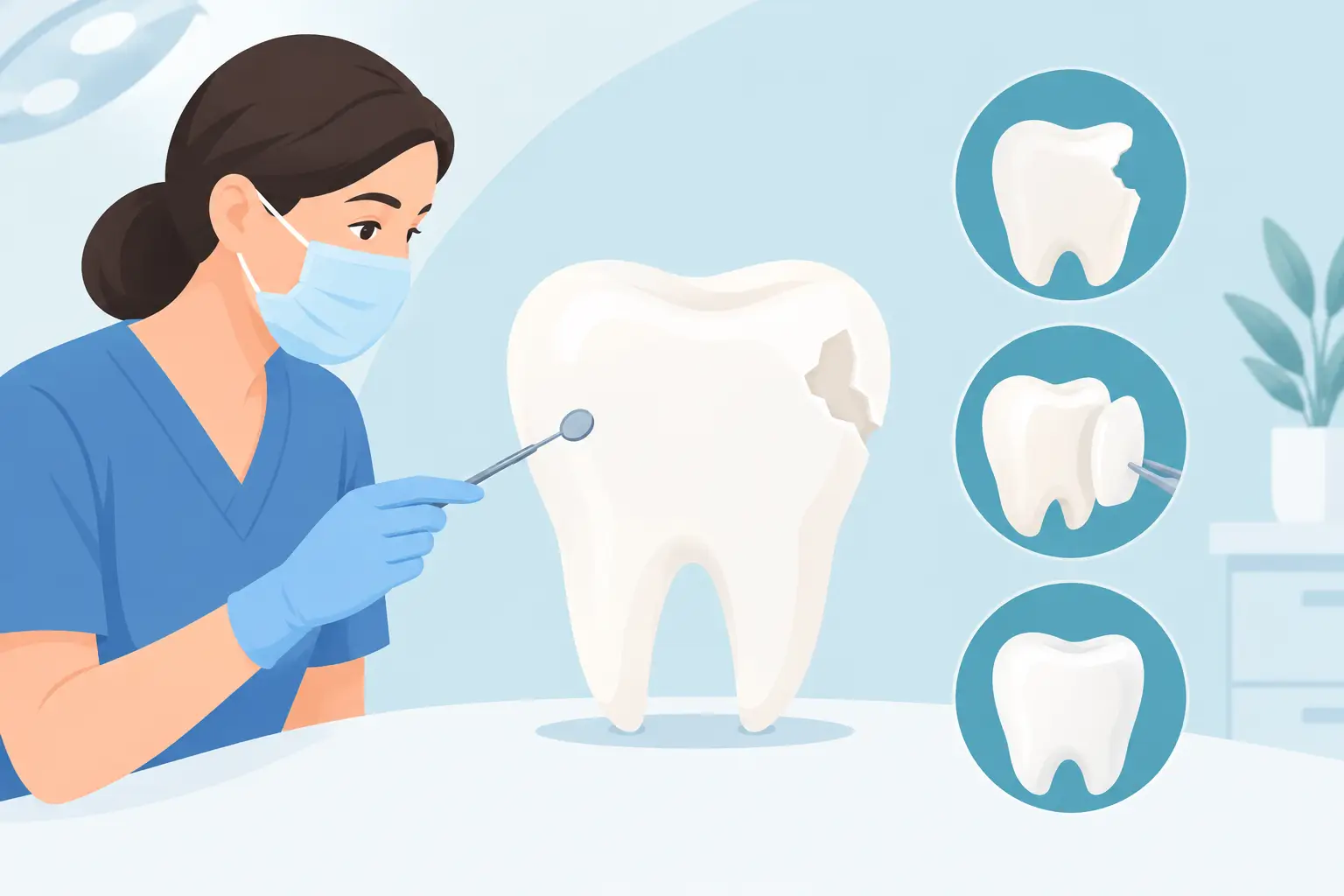
A chipped tooth can happen in a second: one hard bite, a fall, an old filling giving way, or a sports injury. Then comes the worry when you feel a sharp edge with your tongue or see a change in the mirror. Can dentists repair chipped teeth? In most cases, yes. The right repair depends on how much tooth structure is missing, where the chip is located, and whether the tooth's nerve has been affected.
There is no judgment if you have waited to have it checked. Many people put off care because the chip does not hurt, they are anxious about treatment, or they are concerned about cost. A thoughtful dental visit can replace uncertainty with a clear explanation of what is happening and what options make sense for your smile.
Can Dentists Repair Chipped Teeth Without Replacing Them?
Often, they can. A small chip in enamel may need only smoothing or a conservative cosmetic repair. A larger break may need more protection, but that does not automatically mean losing the tooth. Modern restorative dentistry is designed to preserve as much healthy natural tooth structure as possible.
The first step is an examination. Your dentist will look at the chip, check your bite, and may take X-rays to see whether the crack extends below the surface or toward the nerve. They will also ask how the injury happened. A chip caused by biting ice is different from one caused by a fall, nighttime grinding, or a weakened tooth with an older restoration.
Pain is useful information, but it is not the only measure of severity. Some deeper cracks cause little discomfort at first. On the other hand, a small enamel chip can feel surprisingly irritating because the edge is rough. The goal is to address both the immediate problem and the reason it happened, so the repair has the best chance of lasting.
Treatment Options for a Chipped Tooth
Smoothing or reshaping
If only a tiny amount of enamel has chipped, gentle reshaping may be enough. The dentist smooths the sharp edge and blends it into the tooth's natural shape. This is usually quick and conservative, although it is not appropriate if removing more enamel would change the tooth's appearance or bite.
Dental bonding
Bonding is a common choice for small to moderate chips, especially on front teeth. A tooth-colored composite resin is placed, shaped, and hardened to restore the missing area. It can often be completed in one visit and generally requires little to no removal of healthy tooth structure.
Bonding can look very natural, but it is not as strong as porcelain. It may stain or wear over time, particularly for people who drink coffee or red wine often, bite their nails, or clench their teeth. Regular checkups allow the dentist to polish, repair, or refresh it when needed.
Porcelain veneers
A veneer is a thin, custom-made porcelain covering bonded to the front of a tooth. It may be a good option when a front tooth has a more noticeable chip, uneven shape, discoloration, or several cosmetic concerns at once. Porcelain resists staining well and can create a refined, natural-looking result.
Because a veneer involves planning the tooth's shape, color, and bite, it is usually not the first choice for every small chip. It is a longer-term cosmetic decision. A careful consultation should include an honest discussion about whether simple bonding could meet your goals or whether a veneer offers a better result for the condition of your tooth.
Dental crowns
When a large piece of tooth has broken away, or the tooth is weakened by a large filling or crack, a crown may provide the protection it needs. A crown covers the visible portion of the tooth and helps it withstand chewing forces. This is often a practical option for back teeth, where strength matters as much as appearance.
Crowns are also used when a chipped tooth has lost enough structure that bonding would be likely to break again. The trade-off is that crown treatment requires more preparation of the tooth than bonding. It is recommended when that additional protection is truly needed, not simply because it is the fastest answer.
Root canal treatment and restoration
If the chip exposes or damages the pulp, the soft tissue inside the tooth, root canal treatment may be necessary to save it. Signs can include lingering sensitivity to hot or cold, throbbing pain, swelling, or a darkening tooth. After treatment, the tooth is often restored with a crown, particularly if it is a back tooth or has lost substantial structure.
Hearing the words "root canal" can feel intimidating, especially if you have had a difficult dental experience before. The purpose of treatment is to remove infection or damaged tissue while keeping your natural tooth in place. Your dentist should explain what is involved in plain language and give you time to ask questions.
What to Do Right After You Chip a Tooth
Rinse your mouth gently with warm water and save any larger broken piece if you can find it. In some situations, it may be possible to use the fragment as part of the repair. If there is bleeding, apply light pressure with clean gauze. A cold compress on the outside of your cheek can help with swelling.
Try not to chew on that side, and avoid very hot, cold, sugary, or crunchy foods if the tooth feels sensitive. If an edge is cutting your cheek or tongue, temporary dental wax from a pharmacy can provide short-term relief. Do not use household glue or try to file the tooth yourself.
Call a dentist promptly if the chip is visible, sharp, painful, or caused by trauma. Same-day attention is especially wise if the tooth is loose, there is facial swelling, the tooth looks pink or dark, or you have trouble opening your mouth. For severe facial injury, uncontrolled bleeding, or difficulty breathing, seek emergency medical care.
Why a Small Chip Is Worth Checking
A minor chip may not be an emergency, but it can still reveal a bigger issue. Repeated chips can be a sign of teeth grinding, an uneven bite, or enamel weakened by decay or acid erosion. Repairing the visible damage without considering the cause can lead to the same problem again.
For patients who clench or grind at night, a custom night guard may help protect bonding, veneers, crowns, and natural teeth. If the chip came from an uneven bite, a small adjustment or a broader restorative plan may be considered. The answer is personal, which is why a rushed, one-size-fits-all recommendation is rarely the right approach.
Cost is another understandable concern. A simple smoothing procedure and a complex crown are very different treatments, with different time and material needs. Ask for a clear explanation of the recommended option, alternatives when appropriate, expected longevity, and payment or financing choices before moving forward. Good dental care should never leave you guessing about the plan.
How Long Do Chipped Tooth Repairs Last?
Longevity depends on the type of repair, the location of the tooth, your bite, and daily habits. A bonded edge may last for years but can chip again if it is exposed to heavy force. Porcelain veneers and crowns can also last many years with consistent home care and regular dental visits, though no restoration lasts forever.
The best way to protect a repaired tooth is simple: brush twice daily with fluoride toothpaste, clean between teeth every day, and keep up with professional care. Avoid using your teeth to open packages or hold objects. If you play contact sports, wear a properly fitted mouthguard. These small habits matter, particularly when a tooth has already shown that it is vulnerable.
At Classic Dental Arts, the conversation starts with listening. Whether your chip is a small cosmetic concern or part of a more complicated dental problem, you deserve an explanation that feels clear, calm, and free of pressure. A chipped tooth does not have to keep you from smiling, speaking, or eating comfortably. Taking the first step to have it evaluated can bring real peace of mind.