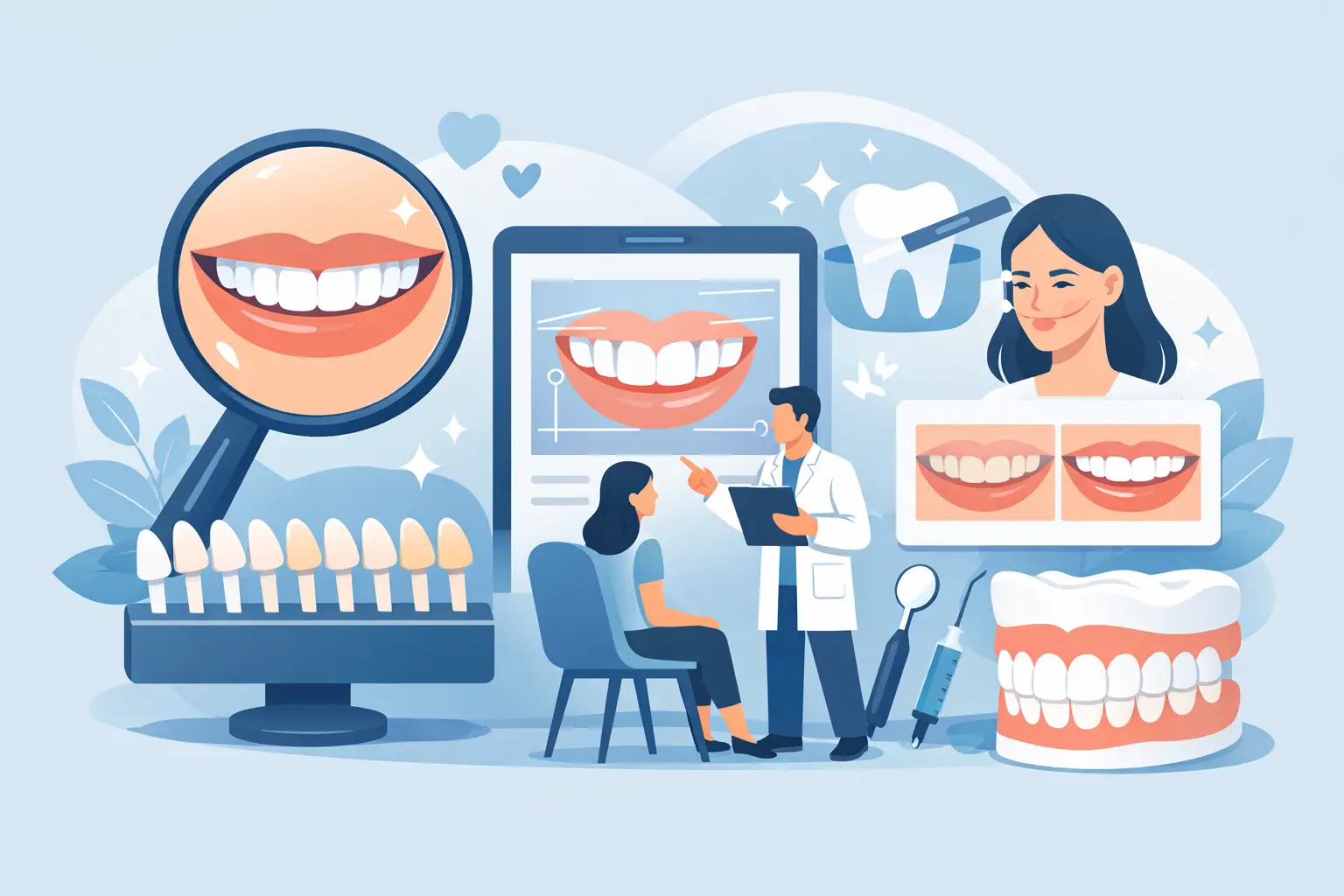
A smile makeover is rarely about one tooth or one appointment. It may begin with a chipped front tooth, stains that no longer respond to whitening, an older bridge, worn teeth, or a denture that no longer feels secure. This guide to smile makeover planning can help you turn those concerns into a clear, realistic path forward - without pressure, embarrassment, or guesswork.
For many people, the hardest step is not treatment. It is showing up after years of putting their own dental needs last. There is no judgment in that. A thoughtful plan starts with listening to what bothers you, what you hope will change, and what feels manageable for your health, schedule, and budget.
Start With What You Want to Change
Before discussing veneers, implants, crowns, or whitening, put your goals into everyday words. You might want to smile in photos without covering your mouth. You may want teeth that look more even, a bite that feels comfortable, or a replacement for missing teeth that stays in place when you eat and speak.
Cosmetic goals matter, but function matters just as much. Teeth that are cracked, shifting, worn down, or affected by gum disease can make a smile look older while also creating bigger problems beneath the surface. The best smile makeovers improve appearance without overlooking the foundation that supports a healthy, comfortable smile.
It can help to think about your priorities in three categories: what you want to improve now, what needs attention for your oral health, and what can reasonably wait. This keeps a plan from becoming overwhelming and gives you a useful starting point for a no-pressure consultation.
A Guide to Smile Makeover Planning Begins With Your Oral Health
A beautiful result needs a stable foundation. During a comprehensive evaluation, your dentist should examine the teeth, gums, bite, jaw function, and supporting bone. Digital images, X-rays, photographs, and impressions or scans may be used to understand what cannot be seen from a quick glance.
This is especially important if you have missing teeth, loose dentures, pain when chewing, frequent headaches, old dental work, or a history of gum disease. For example, placing veneers on teeth affected by grinding without addressing the bite may lead to chips or fractures later. Whitening teeth with untreated cavities or gum irritation can be uncomfortable. Replacing a missing tooth may involve an implant, a bridge, or a removable option, but the right choice depends on bone levels, neighboring teeth, health history, and personal preferences.
Sometimes the honest recommendation is to begin with periodontal care, fillings, a root canal, or a protective nightguard before moving into cosmetic treatment. That is not a detour from your smile goals. It is how your investment is protected for the long term.
Ask for a Plan, Not a Sales Pitch
You deserve to understand why each recommendation is being made. A good consultation should leave room for questions, including whether a treatment is necessary now, what alternatives exist, how long results may last, and what maintenance will be needed.
Be open about dental anxiety, past experiences, and concerns about cost. Those details help your dental team tailor the pace of care. Some patients want to complete treatment efficiently for an upcoming event. Others prefer to divide care into comfortable phases. Both approaches can be reasonable when the sequence protects your oral health.
At Classic Dental Arts, planning is meant to be a conversation, not a rushed decision. The goal is to help you understand your options in plain English and move forward only when you feel ready.
Know Which Treatments May Be Part of Your Makeover
There is no single smile makeover package because every mouth and every goal is different. Your plan may involve one treatment or a combination of care.
Professional whitening can brighten healthy teeth and is often one of the most conservative ways to refresh a smile. It will not change the color of existing crowns, veneers, or fillings, however. If you have visible older restorations, your dentist may recommend whitening first and then replacing restorations so the color can be matched.
Bonding can repair small chips, close minor gaps, and improve uneven edges. It is typically more conservative than a crown or veneer, although it may stain or chip more easily over time. Veneers can change the color, shape, and proportion of front teeth with a highly polished result, but they are a long-term commitment and often require some enamel preparation.
Crowns are often used when a tooth is significantly weakened, fractured, heavily filled, or worn. They can be both restorative and cosmetic. If a tooth is missing or cannot be saved, an implant may replace the tooth root and support a crown, bridge, or full arch of teeth. Dentures can also be an excellent solution, particularly when designed carefully and supported by implants when appropriate.
The trade-off is not simply between “better” and “worse” treatments. It is between preserving natural tooth structure, durability, cost, treatment time, and the kind of maintenance you are comfortable with. An honest dentist will explain those differences clearly.
Plan the Sequence Carefully
Treatment order can make a major difference in both the final result and the overall cost. If gum health, infection, or painful teeth need attention, those concerns usually come first. Next may come bite stabilization, replacement of missing teeth, or restorative care that creates a reliable foundation.
Cosmetic finishing steps often come later. Whitening may be completed before final crowns or veneers are made. Orthodontic treatment may be considered before veneers if tooth position needs significant correction. In a full mouth rehabilitation, temporary restorations may allow you and your dentist to test changes to tooth shape, bite, and appearance before final restorations are placed.
This process can take time, particularly when healing is involved after extractions, bone grafting, or implants. That time is not wasted. It helps create a result that feels natural when you chew, speak, and smile.
Bring Real-Life Considerations Into the Conversation
A practical plan takes your life into account. Let your dentist know if you have a wedding, retirement celebration, work travel, caregiving responsibilities, or a fear of multiple appointments. Ask how many visits are likely, whether you will need temporary teeth, and what the recovery period may feel like.
Also discuss habits that can affect the longevity of your results. Clenching or grinding may call for a nightguard. Smoking can affect healing and stain dental work. Frequent coffee, tea, or red wine may influence how often whitening is needed. None of these issues should disqualify you from improving your smile, but they should be part of an honest maintenance plan.
Talk About Cost Early and Clearly
Financial uncertainty causes many people to delay care longer than they want to. Asking about cost does not mean you are less committed to your health. It means you are making a responsible decision.
Request a written treatment plan that separates immediate health needs from elective cosmetic improvements. Ask what is included in each estimate, what insurance may contribute, whether diagnostic or laboratory fees apply, and what financing options are available. If comprehensive care is recommended, ask whether it can be phased safely.
The least expensive option is not always the best value if it needs frequent repair or does not solve the underlying problem. At the same time, the most extensive plan is not automatically the right one. A good plan is one that is clinically sound, transparent, and realistic enough for you to complete.
Questions Worth Asking at Your Consultation
Before deciding, ask how the proposed treatment will affect your natural teeth, gums, bite, and long-term maintenance. Ask to see examples of similar cases when available, and ask what happens if a restoration chips, loosens, or needs replacement in the future.
You may also want to ask whether there are conservative alternatives, what treatment can be postponed without risk, and how your dentist will make appointments more comfortable if you are anxious. Clear answers build confidence. If you feel rushed or confused, it is okay to pause and ask for more explanation.
Give Yourself Permission to Take the First Step
A smile makeover does not need to happen all at once to be meaningful. For some patients, the first step is simply addressing a painful tooth. For others, it is replacing a visible missing tooth, whitening before a family event, or finally discussing implants after years with a loose denture.
The right plan should make you feel informed and cared for, not pressured to become someone else. Start with a conversation, ask every question on your mind, and let your next step be the one that feels right for your smile and your life.