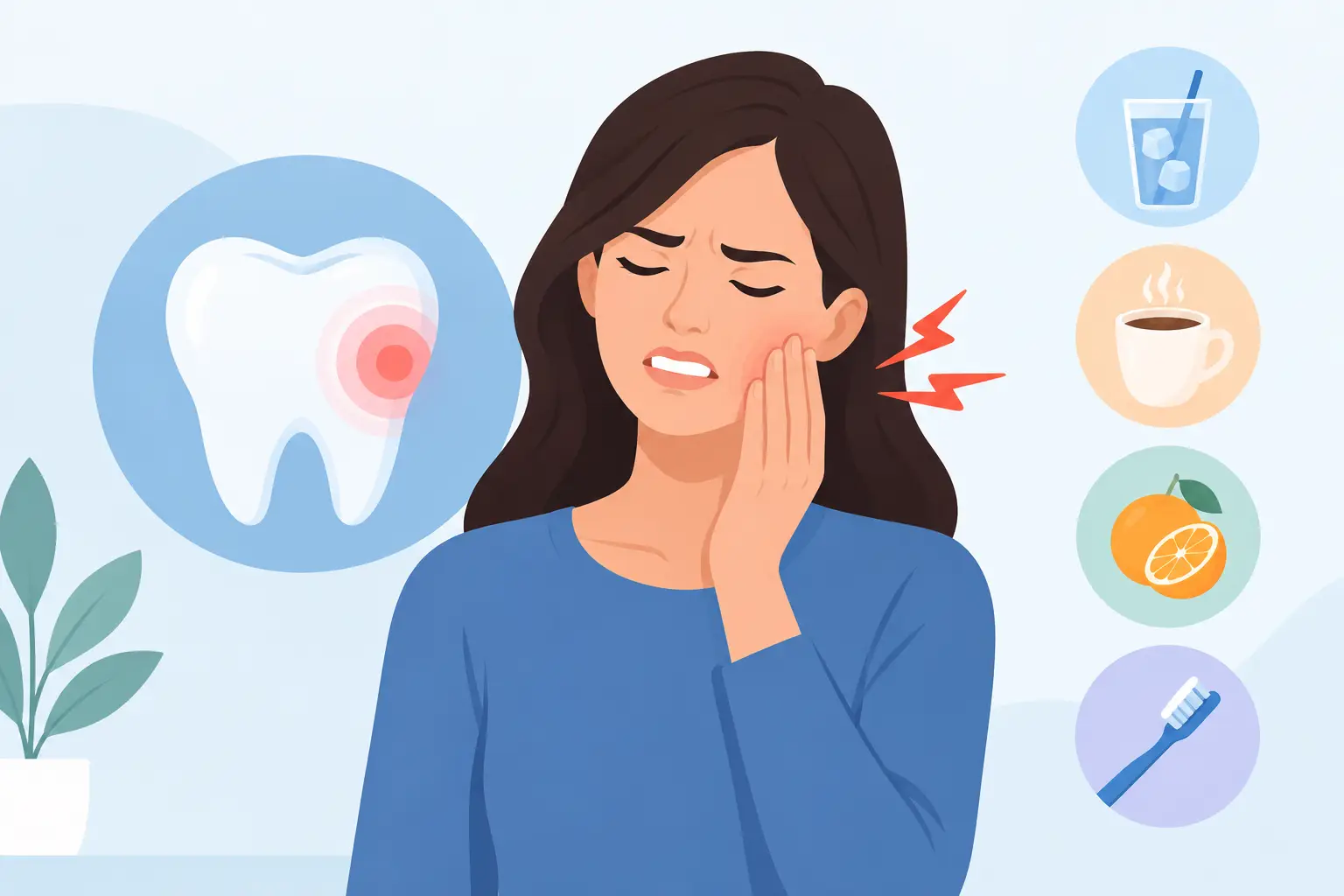
That quick, sharp jolt when cold water touches a tooth can make even a favorite drink feel stressful. Tooth sensitivity causes are not always obvious, and the discomfort can range from a brief twinge to pain that makes you avoid hot, cold, sweet, or acidic foods altogether. The good news is that sensitivity is often treatable once the underlying reason is identified.
You do not need to “tough it out,” and there is no judgment if it has been a while since your last dental visit. Sensitivity can happen to people with otherwise healthy-looking smiles, as well as those who have had fillings, gum changes, or years of dental wear. A careful exam helps separate a temporary irritation from a concern that needs treatment.
The most common tooth sensitivity causes
Teeth have a hard outer protective layer called enamel. Below it is dentin, a softer layer with tiny channels that communicate with the nerve inside the tooth. When enamel wears down or gums pull away from the tooth, those channels can become exposed. Cold air, a sip of coffee, or a sweet snack may then create the familiar sharp sensation.
Several issues can lead to that exposure, and sometimes more than one is involved.
Worn enamel from brushing, grinding, or acid
Brushing is essential, but brushing too hard with a firm-bristled toothbrush can gradually wear the tooth surface near the gumline. The same can happen when someone scrubs immediately after eating acidic foods or drinking citrus drinks, soda, sports drinks, or wine. Acid softens enamel for a short time, making aggressive brushing more damaging.
Nighttime clenching and teeth grinding can also wear enamel down and place heavy pressure on teeth. Many people do not realize they grind because it happens during sleep. Morning jaw soreness, headaches, flattened teeth, or chipped edges can be clues.
A softer toothbrush, a gentle technique, and a fluoride toothpaste may help protect vulnerable areas. If grinding is part of the problem, a custom night guard may be worth discussing. The right solution depends on how much wear is present and whether the bite is contributing to it.
Receding gums and gum disease
Gum tissue protects the root surfaces of teeth. When gums recede, roots become exposed. Unlike the visible part of a tooth, roots do not have enamel. They are covered by a thinner material that can wear away more easily, which is why gum recession commonly causes sensitivity around the gumline.
Recession can result from brushing too forcefully, genetics, periodontal disease, tobacco use, clenching, or simply changes that occur over time. Gum disease may not always hurt in its early stages, so bleeding during brushing, persistent bad breath, loose teeth, or gums that appear lower than before deserve attention.
Treatment may be as simple as adjusting home care and using a desensitizing product, or it may involve periodontal treatment to address active gum disease. When recession is more advanced, restorative options can sometimes cover exposed areas or protect a tooth from further wear.
Cavities, cracks, and failing dental work
Sensitivity that is limited to one specific tooth can be a sign of a cavity, a cracked tooth, or a worn filling or crown. A cavity may cause pain with sweets, while a crack may create a sudden jolt when biting down or releasing pressure after chewing. Older restorations can develop small gaps over time, allowing bacteria or temperature changes to reach the tooth more easily.
Not every crack is visible when you look in the mirror. Some are very small, and some symptoms come and go depending on how you bite. That is why an examination and, when needed, digital X-rays are useful. Catching a small problem early can often mean a simpler, more conservative repair.
Recent dental treatment or whitening
It is common to have temporary sensitivity after a filling, crown, professional cleaning, or teeth whitening treatment. A tooth that has recently been restored may need time to settle, particularly if the work was close to the nerve. Whitening products can also temporarily irritate the tooth nerve, especially when used more often than directed or when a person already has exposed root surfaces.
Mild sensitivity after treatment often improves within days or a few weeks. Pain that worsens, lingers, wakes you at night, or makes it difficult to chew should be checked promptly. A restoration may need an adjustment, or the tooth may have a deeper issue that was not apparent at first.
Tooth decay or infection reaching the nerve
When decay, a deep crack, or trauma reaches the inner nerve tissue of a tooth, sensitivity may shift from brief discomfort to stronger, longer-lasting pain. Heat sensitivity, throbbing, swelling, a pimple-like bump on the gums, or pain that continues long after the trigger is gone can suggest that the nerve needs professional care.
This does not automatically mean tooth loss. In many cases, root canal treatment can remove infection and preserve the natural tooth, followed by a filling or crown to restore strength. The right recommendation comes from understanding the condition of the tooth, the surrounding bone, and your overall goals.
What your sensitivity pattern may be telling you
The details matter. A quick sting from cold that stops right away can point to exposed dentin. Pain from sweets may be related to decay or a leaking filling. Discomfort when biting can signal a crack, a high filling, or a bite issue. Sensitivity in many teeth at once may be associated with enamel erosion, gum recession, whitening, or clenching.
These patterns are useful clues, not a diagnosis. Two teeth can feel similar but need very different treatment. A dental exam is designed to identify the source rather than simply cover up the symptom.
What you can do at home while you wait for an appointment
Choose a soft-bristled toothbrush and use light, small circular motions instead of scrubbing side to side. Consider a toothpaste made for sensitive teeth, and use it consistently for a few weeks. Spit after brushing rather than rinsing heavily, so the active ingredients have more time on the teeth.
Limit frequent sipping of acidic beverages, and rinse with plain water after having them. If you drink something acidic, wait about 30 minutes before brushing. Avoid whitening products if they are making the discomfort worse until you have guidance from your dentist.
These steps may ease mild sensitivity, but they cannot repair a cavity, seal a crack, treat gum disease, or resolve an infection. Avoid placing aspirin or other medications directly on the gums or tooth, as this can irritate soft tissue without treating the cause.
When tooth sensitivity needs prompt care
Schedule a dental visit if sensitivity lasts more than a week or two, returns repeatedly, or affects one tooth more than the others. Do not wait if you have swelling, fever, facial swelling, severe pain, a broken tooth, drainage from the gums, or trouble swallowing or breathing. Those symptoms can require urgent attention.
For anxious patients, the thought of finding the cause can feel harder than the pain itself. At Classic Dental Arts, the conversation starts with listening. You can explain what you feel, what you are worried about, and what has made dental care difficult in the past. A clear diagnosis and transparent discussion of options can make the next step feel much more manageable.
Frequently asked questions about tooth sensitivity causes
Can sensitive teeth get better on their own?
Sometimes. Sensitivity from whitening, a recent cleaning, or minor irritation may fade as the tooth settles. However, sensitivity caused by decay, a crack, gum disease, or a failing filling usually will not resolve without addressing that problem.
Is sensitivity toothpaste enough?
It can be very helpful for exposed dentin and mild enamel wear, but it works best when the source of the sensitivity has been identified. If the pain is persistent or localized to one tooth, toothpaste should not replace an exam.
Does cold sensitivity mean I need a root canal?
No. Brief cold sensitivity is common and can have many causes. A root canal may be considered only when the tooth nerve is damaged or infected. The duration and intensity of pain, X-rays, and clinical testing help determine what is actually needed.
A sensitive tooth is your body’s way of asking for attention, not a reason for embarrassment. The sooner you understand why it hurts, the more likely it is that a comfortable, straightforward solution is available - at a pace that feels right for you.