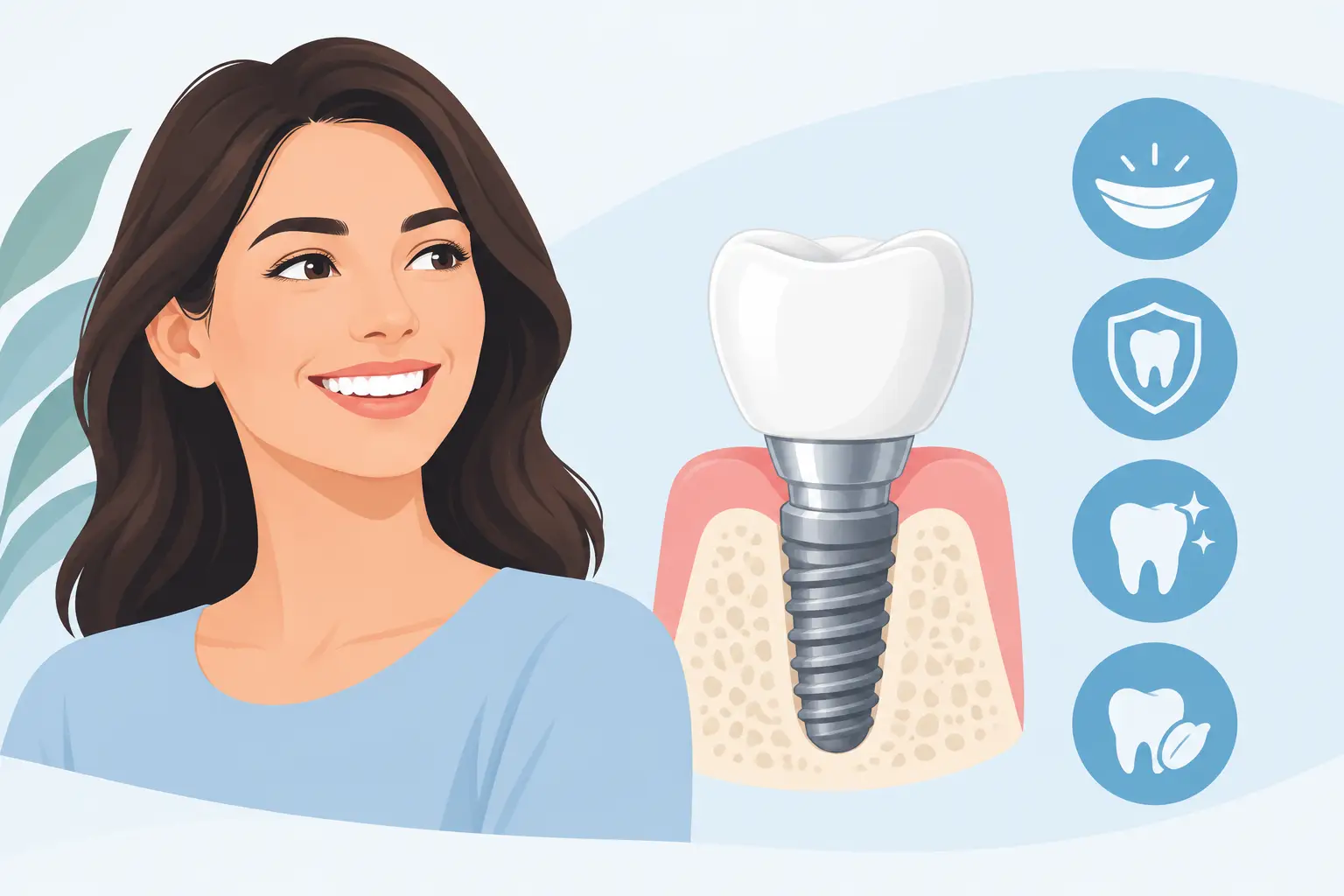
A missing tooth can change more than a smile. Many people begin chewing on one side, avoiding favorite foods, or covering their mouth when they laugh. The top benefits of implant crowns address those daily frustrations by replacing both the visible tooth and the support beneath it. For the right patient, an implant crown can feel less like a temporary dental fix and more like getting an important part of normal life back.
An implant crown is the custom-made tooth that sits on top of a dental implant. The implant itself is a small post placed in the jawbone to take the place of a missing tooth root. After the area has healed and the implant is stable, a carefully designed crown is attached to complete the restoration.
At Classic Dental Arts, conversations about implants begin with your goals, your health history, and your concerns. There is no judgment if you have put off care for years. The best option depends on your mouth, your timeline, and what will serve you well over the long term.
Top Benefits of Implant Crowns for Daily Life
They look and feel like a natural tooth
A well-designed implant crown is shaped, shaded, and positioned to blend with your surrounding teeth. It is not simply a white tooth placed in an empty space. Your dentist considers the color variations in nearby teeth, the way your bite comes together, and how much tooth shows when you speak and smile.
Because the crown is anchored to an implant rather than resting on the gums, it stays in place while you talk, laugh, and eat. That stability can be especially meaningful for someone who has felt self-conscious about a visible gap or a loose removable appliance.
No restoration is identical to a natural tooth in every way, and expectations should be realistic. Still, modern implant crowns can provide a remarkably natural appearance and function when treatment is planned carefully.
They restore stronger, more comfortable chewing
A missing tooth leaves an opening in the bite. Over time, many people compensate without realizing it, favoring one side or choosing softer foods. That pattern can make meals less enjoyable and place extra strain on other teeth.
Since an implant is supported by the jawbone, an implant crown can provide stable chewing support without covering or relying on the neighboring teeth. Patients often appreciate being able to enjoy foods such as crisp vegetables, chicken, or an apple with more confidence. The exact foods you can comfortably eat will depend on the location of the implant, your bite, and the health of your remaining teeth, but the goal is dependable everyday function.
They help protect neighboring teeth
Traditional dental bridges can be an excellent solution in some situations. However, a bridge usually requires shaping the teeth on either side of the gap so they can support the restoration. An implant crown stands independently, which means adjacent healthy teeth may not need to be altered.
That distinction matters for long-term planning. Preserving as much healthy tooth structure as possible is often beneficial, particularly when the teeth next to the missing space have little or no existing dental work. During a consultation, your dentist can explain whether an implant, bridge, or another option makes the most sense for your specific situation.
They support jawbone health after tooth loss
Tooth roots do more than hold teeth in place. They stimulate the jawbone when you chew. Once a tooth is lost, the bone in that area can gradually shrink because it no longer receives that stimulation.
A dental implant functions in the jawbone much like a root, helping maintain bone stimulation in that location. This is one of the most significant long-term benefits of implant crowns. It may help reduce bone loss that can contribute to changes in facial support or make future tooth replacement more complicated.
Implants cannot reverse every change that has already occurred. If bone loss is significant, a bone graft or other preparatory treatment may be needed before implant placement. Honest planning matters more than promising a one-size-fits-all answer.
A Crown Designed Around Your Bite, Not a Generic Tooth
An implant crown should be made for the way you use your mouth. Your dentist evaluates the available space, gum shape, bite forces, and the condition of the teeth around it. This is especially important for patients who grind or clench, have several missing teeth, or need more extensive restorative care.
The crown material may vary depending on where the tooth is located and how much force it will receive. Back teeth often need materials selected for strength, while front teeth may require extra attention to translucency and shade. The right choice is not always the most expensive material. It is the material and design that fit your clinical needs and aesthetic goals.
A carefully adjusted bite also helps protect the implant crown and the teeth around it. If something feels high, tight, or uncomfortable after placement, it should be evaluated. Small adjustments can make a meaningful difference in comfort.
Implant Crowns Can Be a Long-Term Investment
Dental implants are often chosen because they are built for durability. With good home care and regular dental visits, an implant crown can serve a patient well for many years. The implant and the crown are different parts, though. While the implant post is designed to remain in place long term, the crown can eventually wear, chip, or need replacement, just as a crown on a natural tooth can.
This is why ongoing care remains essential. Brushing twice daily, cleaning around the implant as instructed, and keeping routine checkups help protect the gums and bone that support it. Implants cannot get cavities, but the surrounding tissues can develop inflammation or infection if plaque is allowed to build up.
For patients who have avoided the dentist because they fear being lectured, this part can feel intimidating. It should not. Good maintenance is a partnership, and clear instructions can make it manageable.
What to Consider Before Choosing an Implant Crown
The benefits are substantial, but implant treatment requires a thoughtful evaluation. You need enough healthy bone to support the implant, or a plan to build that support if needed. Gum health, medical conditions, smoking, teeth grinding, and certain medications can all affect healing and long-term success.
Treatment also takes time. After implant placement, the bone needs time to integrate with the implant before the final crown is placed. Some cases move more quickly than others, while complex treatment may require several stages. If you need a tooth replaced right away for appearance or comfort, a temporary option may be part of the plan.
Cost is another understandable concern. Implant crowns generally involve a greater initial investment than some alternatives because treatment includes surgery, restorative planning, and a custom crown. Looking only at the initial price can be misleading, however. A clear discussion should include what is involved, what alternatives exist, anticipated maintenance, and financing options if they are needed. You deserve time to make a decision without pressure.
Is an Implant Crown Right for You?
An implant crown may be a strong option if you are missing one tooth, have healthy gums or are willing to treat gum disease first, and want a fixed replacement that does not depend on adjacent teeth. It can also be part of a larger treatment plan for patients replacing several teeth or rebuilding a worn, damaged smile.
The first step is not committing to treatment. It is getting answers. A thorough consultation can identify what is causing your concern, explain your options in plain English, and give you a realistic picture of timing and cost. Whether you choose an implant crown now or need time to consider it, a calm conversation can replace uncertainty with a plan that feels right for you.