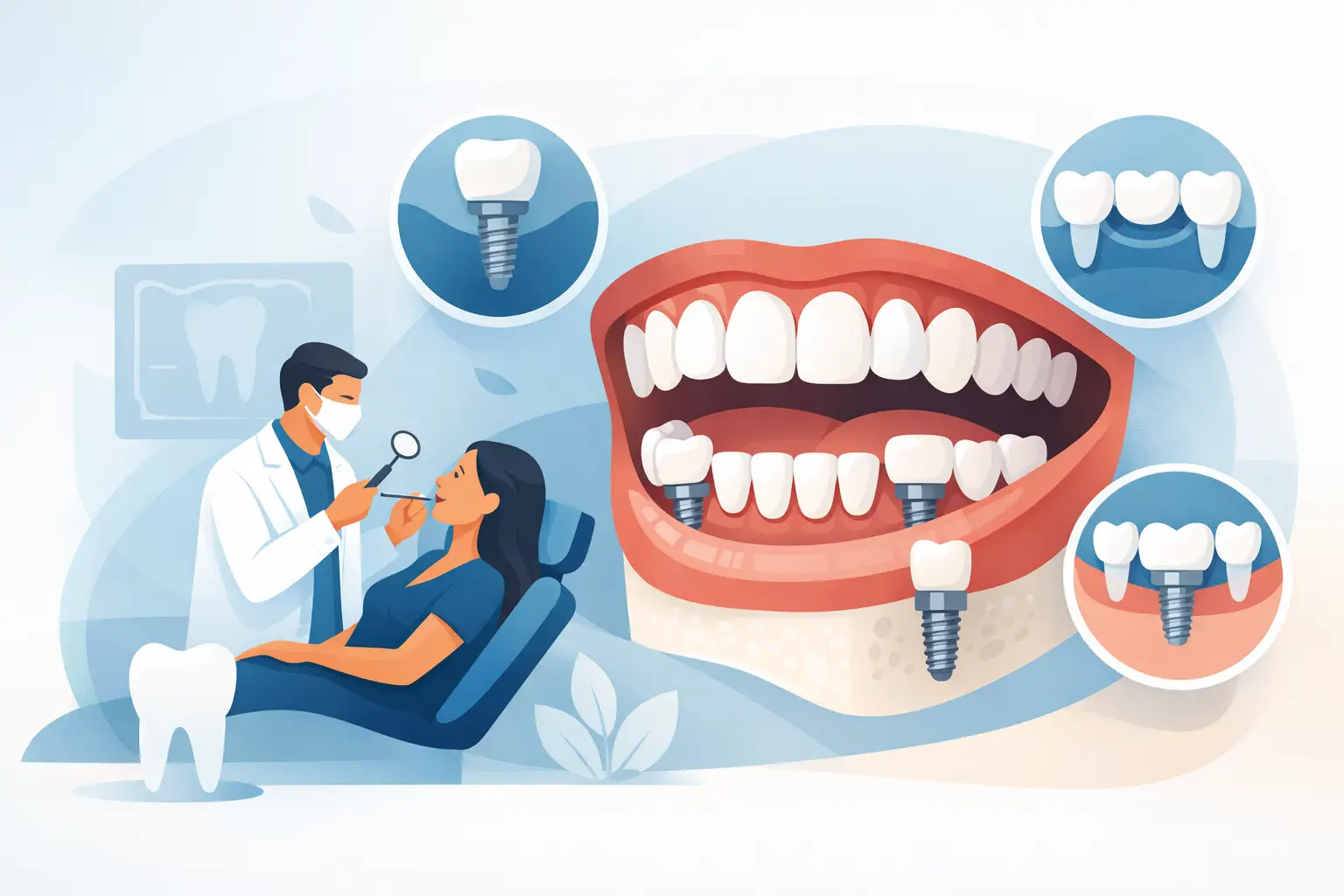
You may have heard the term and wondered whether it means a full set of implants, a cosmetic smile makeover, or something much bigger. If you are asking what is full mouth rehabilitation, the short answer is this: it is a personalized treatment plan that rebuilds the health, function, and appearance of your entire mouth when multiple dental problems are happening at once.
For many people, this does not start with vanity. It starts with avoiding one side of the mouth when chewing, hiding teeth in photos, dealing with repeated dental pain, or feeling embarrassed that things have gotten this far. There is no judgment in that. Life gets busy, dental anxiety is real, and small issues often turn into bigger ones over time.
What is full mouth rehabilitation, really?
Full mouth rehabilitation is comprehensive dental care designed to restore several teeth, and often the gums, bite, and jaw function, in a coordinated way. Instead of fixing one problem in isolation, your dentist looks at the full picture and builds a plan that makes each step support the next.
That matters because dental problems tend to overlap. Missing teeth can shift your bite. Worn teeth can make chewing harder and put stress on the jaw. Gum disease can weaken the foundation for otherwise healthy teeth. Old dental work can begin to fail at the same time that new cracks, decay, or infections appear.
A full mouth rehabilitation plan may include crowns, bridges, implants, dentures, fillings, root canal treatment, periodontal care, extractions, or bite adjustment. In some cases, cosmetic treatments are part of the process too, but appearance is usually only one part of the goal. The bigger objective is to help you eat comfortably, speak clearly, protect your long-term oral health, and feel like yourself again.
Who usually needs full mouth rehabilitation?
Not everyone with dental concerns needs this level of care. Some people only need a few isolated treatments. Full mouth rehabilitation is more often recommended when there are several significant issues affecting comfort, function, or long-term stability.
You might be a candidate if you have multiple missing teeth, widespread tooth wear, broken or failing restorations, advanced decay, chronic bite problems, or ongoing pain when chewing. It can also be appropriate after years of postponing dental treatment, especially when problems have built on each other.
Many patients in this situation have spent a long time trying to manage one tooth at a time. That approach can work for a while, but eventually it may stop making sense. If every few months something new breaks, hurts, or needs repair, it is worth stepping back and looking at the whole mouth rather than staying in repair mode.
What problems can it address?
Full mouth rehabilitation can address structural, functional, and aesthetic concerns together. That includes teeth that are severely worn down from grinding, cracked teeth, missing teeth, loose dentures, bite collapse, gum disease, repeated infections, and older dental work that no longer fits or protects the teeth properly.
It can also help with symptoms people do not always connect to dentistry, like jaw fatigue, headaches related to bite strain, difficulty chewing certain foods, and speech changes caused by missing or shifting teeth. Some patients come in thinking they only need implants or dentures, then learn the bite, gum health, or remaining teeth also need attention for a stable result.
This is one reason a personalized exam matters. Two people may both be missing several teeth, but their best treatment plans can look very different based on bone support, gum health, medical history, budget, and goals.
What treatment might be included?
There is no single formula for full mouth rehabilitation. One person may need implant-supported teeth. Another may do best with a combination of crowns, bridges, periodontal therapy, and selective extractions. Someone else may need to rebuild worn teeth and correct a damaging bite before thinking about cosmetic changes.
Common treatments include dental implants, implant-supported dentures, traditional dentures, crowns, bridges, veneers in selected cases, fillings, root canal therapy, periodontal treatment, and oral surgery. Sometimes treatment is done in phases so urgent problems are handled first, then the mouth is stabilized, and finally the long-term restorations are completed.
That phased approach can make the process feel much more manageable. It also helps patients make thoughtful decisions instead of feeling rushed into everything at once.
The planning stage is where good outcomes begin
A successful result starts with careful diagnosis, not guesswork. Your dentist will typically evaluate the teeth, gums, bone levels, bite, jaw function, existing restorations, and overall oral health. X-rays and other imaging may be needed. Just as important, there should be a real conversation about what is bothering you, what you want to change, what you want to avoid, and what feels realistic financially and emotionally.
This part should never feel like a sales pitch. If you have anxiety, concerns about cost, or bad past experiences, those things belong in the conversation too. The right plan is not just clinically sound. It also has to fit your life.
At a practice like Classic Dental Arts, that planning process is meant to be clear and personal. Patients who have been putting off treatment often need time, explanations in plain English, and a no-pressure setting where they can ask honest questions.
How long does full mouth rehabilitation take?
It depends on what needs to be treated and in what order. Some cases move fairly quickly. Others take several months, especially if healing time is needed after extractions, gum treatment, bone grafting, or implant placement.
This can be frustrating for patients who want everything fixed right away. But slower is not always worse. In complex cases, taking the right steps in the right sequence often leads to a better, more comfortable, longer-lasting outcome.
There are trade-offs. Faster options may be appealing, but they are not the best choice for every mouth. On the other hand, a staged approach can spread out treatment and costs, which makes care more approachable for many families.
Is full mouth rehabilitation the same as a smile makeover?
Not quite. A smile makeover focuses mainly on appearance. Full mouth rehabilitation is centered on health and function first, though cosmetic improvements are often part of the final result.
If your teeth are healthy and you simply want a brighter or more even smile, cosmetic treatment alone may be enough. If you have missing teeth, a worn bite, infection, failing dental work, or trouble chewing, you likely need something more comprehensive than cosmetics.
That difference matters because beautiful dental work still has to function properly. If the bite is unstable or the foundation is unhealthy, cosmetic treatment alone may not hold up well.
What about cost?
This is one of the biggest concerns, and understandably so. Full mouth rehabilitation can be a significant investment because it often involves multiple procedures over time. The total cost varies widely based on how many teeth are involved, what type of restorations are used, whether implants are part of the plan, and how much preparatory treatment is needed.
The good news is that a thoughtful dentist should be transparent about this from the beginning. In many cases, there is more than one reasonable path. One plan may offer the longest-term durability, while another may be more budget-conscious and still improve health and function in a meaningful way.
That is why no-pressure consultations matter. You deserve to understand your options clearly, including what can be done now, what can wait, and where financing may help.
Why people often feel relieved after the first visit
Many patients walk in expecting judgment and leave feeling lighter. Once you understand what is happening and hear a clear plan, the situation usually feels less overwhelming. Even if treatment takes time, having a roadmap can replace fear with momentum.
That emotional part is easy to overlook, but it is real. When your mouth is hurting, failing, or affecting your confidence, it touches everyday life in quiet ways - meals, conversations, photos, work, sleep. Getting help is not just about teeth. It is about comfort, dignity, and being able to stop thinking about your mouth all the time.
If you have been wondering what is full mouth rehabilitation, think of it as a way to rebuild your mouth with intention instead of patching problems one by one. The first step is not committing to everything. It is sitting down with a dentist who listens, explains your options clearly, and helps you move forward at your pace.