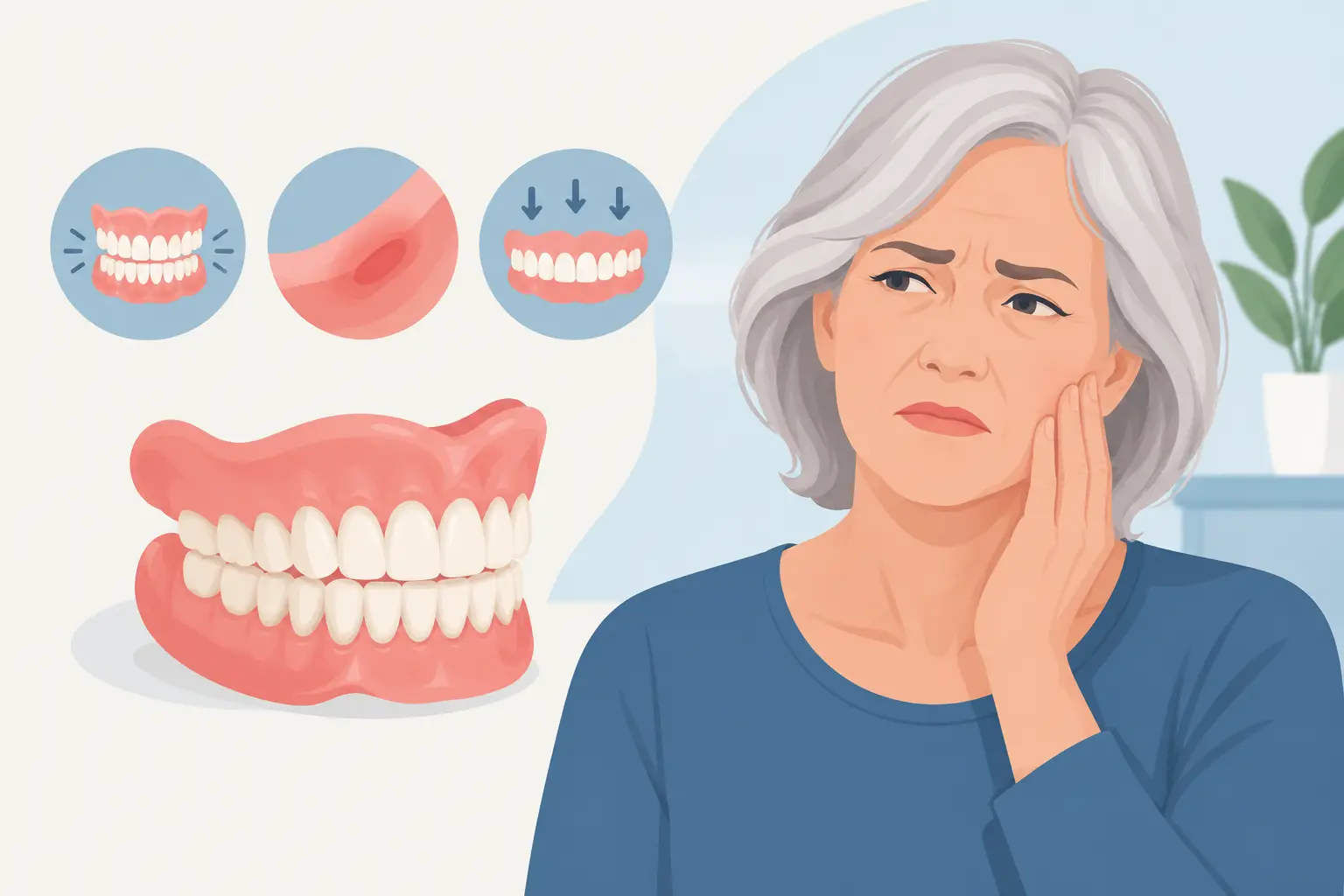
A denture that once felt manageable can gradually start to rub, slip, click, or make everyday meals feel like work. If you have been asking, “why do dentures become uncomfortable?” the answer is often not that you have done anything wrong. Your mouth changes over time, and dentures need ongoing attention to keep up with those changes.
Discomfort can be frustrating, especially if it makes you avoid favorite foods, speak less freely, or feel self-conscious around other people. It can also be tempting to simply tolerate the problem. But persistent soreness, looseness, or pressure is worth discussing with a dentist. There is no judgment here, and there are often practical ways to improve the fit, function, and confidence you feel wearing your dentures.
Why Do Dentures Become Uncomfortable?
Dentures rest on gum tissue and bone, neither of which stays exactly the same over the years. After teeth are lost, the jawbone beneath them naturally begins to shrink because it no longer receives the stimulation provided by tooth roots. This process is called bone resorption, and it is one of the most common reasons a denture that once fit well begins to feel loose or uncomfortable.
As the ridge of bone changes shape, gaps can develop between the denture and the gums. The denture may move during chewing or talking, placing uneven pressure on certain areas. That friction can lead to tender spots, ulcers, and inflammation. A lower denture is particularly prone to movement because it has less surface area for support and must also work around the tongue and moving muscles of the mouth.
Weight changes, aging, certain medications, and changes in saliva production can affect comfort as well. Dry mouth, for example, reduces the natural moisture that helps a denture sit comfortably against the gums. Some people notice that their dentures become harder to wear after starting a new medication, receiving medical treatment, or developing a condition that affects oral tissues.
Common Reasons Dentures Start to Hurt or Slip
A poor fit is not the only possible cause. Several issues can create similar symptoms, which is why an examination matters.
Changes in your gums and jawbone
Your gums and jawbone remodel continuously after tooth loss. Even a well-made denture can become less stable as those foundations change. Dentures commonly need to be relined periodically to match the current contours of your mouth. A reline adds material to the inside surface of the denture so it rests more evenly and securely on the gums.
Eventually, a reline may no longer be enough. If the denture teeth are worn down, the base is cracked, or the shape of your mouth has changed significantly, replacement may provide a better result than repeated adjustments.
Pressure spots and irritation
A small rough edge, a warped denture base, or one area of heavy bite pressure can create a painful sore spot. The discomfort may be sharp in one location or may build throughout the day. Some people remove their dentures at night and feel better by morning, only to have the pain return once they put them back in.
Do not try to file, bend, or reshape a denture at home. Small changes can alter the fit in other areas and cause more damage. A dentist can identify the source of pressure and make a controlled adjustment.
An uneven bite or worn denture teeth
Denture teeth wear over time, just as natural teeth do. When they become flatter or uneven, your bite may no longer distribute chewing forces properly. You may notice jaw fatigue, clicking, headaches, or difficulty chewing food on both sides.
An uneven bite can also cause the denture to tip or lift when you chew. This is not always a sign that the entire denture has failed, but it does mean the fit and bite should be evaluated together.
Dry mouth
Saliva is more helpful than many people realize. It lubricates the mouth, reduces friction, and helps create a comfortable seal beneath dentures. When saliva is reduced, dentures may feel sticky, unstable, or more likely to rub.
Common causes include medications for blood pressure, allergies, anxiety, depression, and many other health concerns. Drinking water more often may help somewhat, but ongoing dry mouth deserves a conversation with both your prescribing physician and dental team. The right plan depends on the cause and your overall health.
Food trapped under the denture
Food particles beneath a denture can be uncomfortable and embarrassing, particularly with lower dentures. Sticky foods, small seeds, and fibrous foods can be difficult for some wearers. This issue may improve with a fit adjustment, a reline, or a discussion about denture adhesive.
Adhesive can be useful for some patients, but it should not become a way to compensate for a denture that is severely loose or painful. If you suddenly need much more adhesive than before, that is a good reason to schedule an evaluation.
Infection or inflammation
Redness, burning, swelling, cracks at the corners of the mouth, or creamy white patches may point to irritation or a fungal infection such as denture stomatitis. Wearing dentures around the clock, poor cleaning habits, dry mouth, and a loose fit can all contribute.
Removing dentures at night, cleaning them properly, and allowing the gums to rest are part of good denture care. If symptoms persist, professional treatment may be needed. Continued irritation should never be ignored simply because you assume dentures are supposed to hurt.
When Denture Discomfort Needs Prompt Attention
Mild tenderness after a new denture adjustment can happen, but ongoing pain is not something you should have to accept. Contact your dentist promptly if you have sores that do not improve, bleeding gums, swelling, fever, trouble swallowing, severe pain, or a denture that suddenly no longer fits.
It is also wise to be seen if you have unexplained numbness, a lump, or any area that is not healing. These symptoms do not automatically mean something serious, but they should be checked carefully. Regular dental visits remain important even when all natural teeth are missing, because your gums, tongue, bite, and oral tissues still need care.
What Can Make Dentures Comfortable Again?
The best solution depends on why the discomfort started. For a denture that is generally in good condition but no longer matches the gums, a reline may restore better contact and stability. For a minor sore spot or bite imbalance, an adjustment may be all that is needed.
If the denture is old, cracked, excessively worn, or poorly fitting in several areas, a new denture may be the more predictable option. A new denture should be planned around your current gum contours, facial support, bite, speech, and appearance, not simply copied from an older appliance.
For people tired of loose lower dentures or constant adhesive, implant-supported options can provide another path. Implants can help stabilize a denture so it moves less during meals and conversation. Some removable implant dentures snap into place for added security, while other treatment plans use a fixed full-arch restoration. The right choice depends on bone volume, medical history, goals, and budget. A careful consultation should include a clear conversation about costs, maintenance, and what each option can realistically do.
Small Habits That Protect Your Gums and Dentures
Good daily care can reduce irritation and help your denture last longer. Remove dentures overnight unless your dentist has given different instructions. Brush the denture with a soft denture brush and a cleaner designed for dentures, then rinse it thoroughly. Avoid hot water, which can warp the material.
Clean your gums, tongue, and any remaining natural teeth gently each day. Keep dentures in water or a recommended soaking solution when they are out of your mouth so they do not dry out. Handle them over a folded towel or a sink partially filled with water, since a dropped denture can crack.
Most importantly, pay attention to changes. Dentures should not require you to avoid smiling, skip meals with family, or endure daily pain. At Classic Dental Arts, we take the time to listen to what has changed and explain the options in plain English, without pressure.
A comfortable denture is not just about the appliance itself. It is about being able to eat, speak, laugh, and feel at ease without planning your day around discomfort. If yours has stopped feeling right, a thoughtful evaluation can be the first step toward getting that ease back.